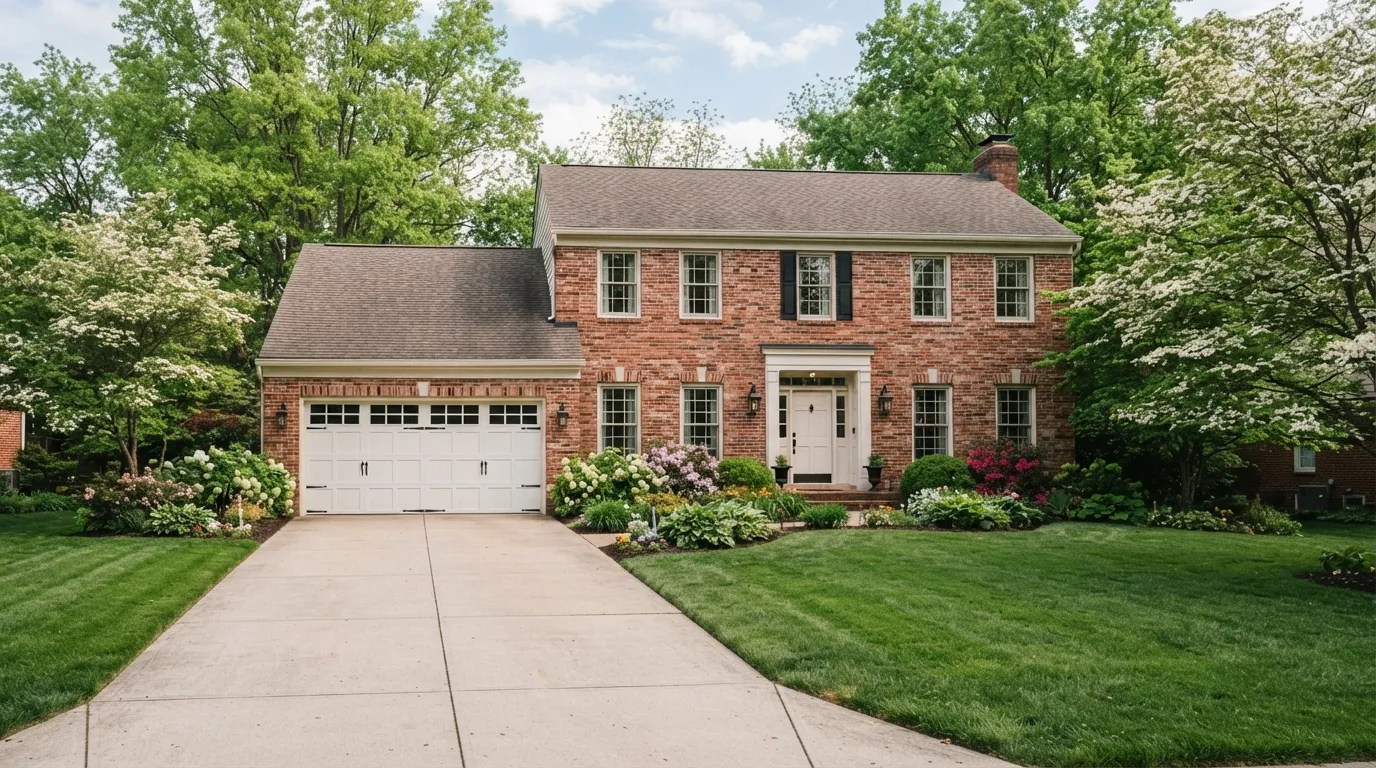
This Area's Housing
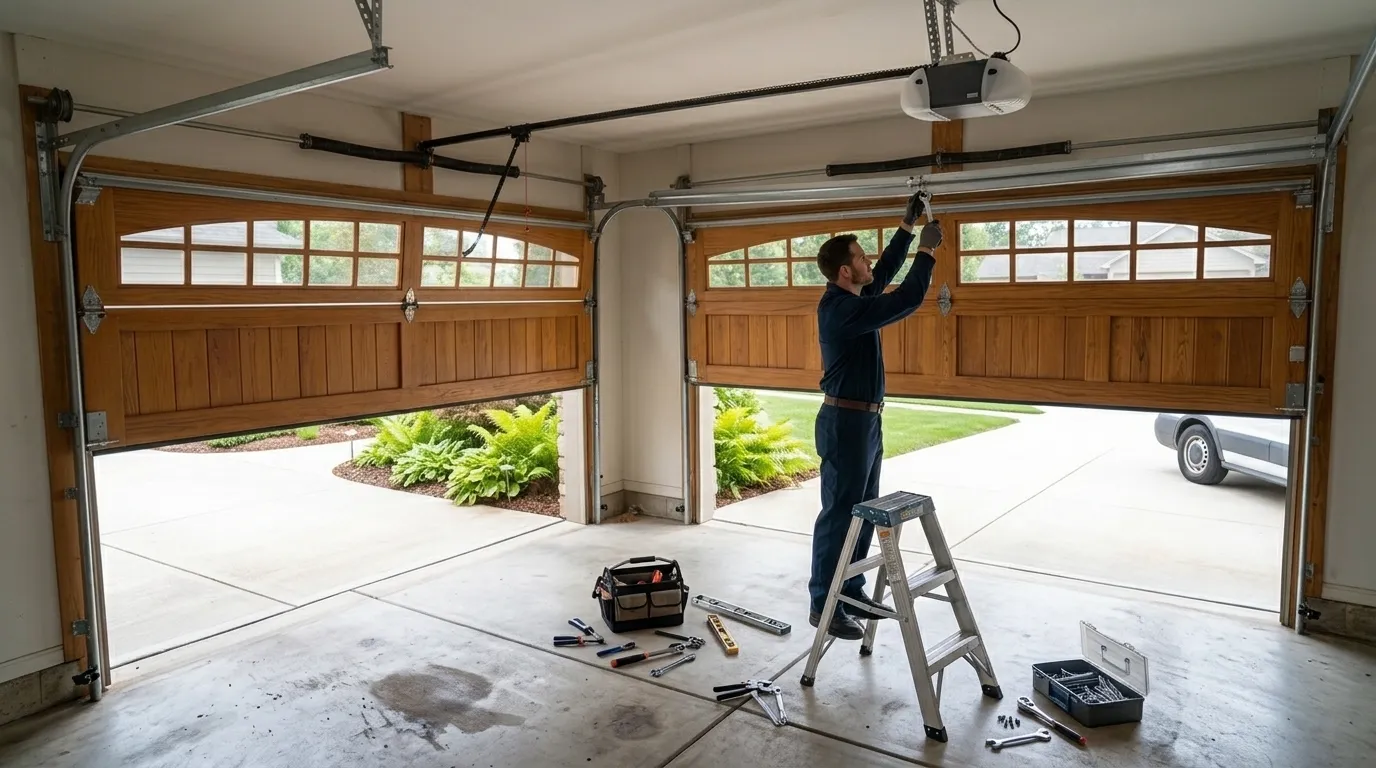
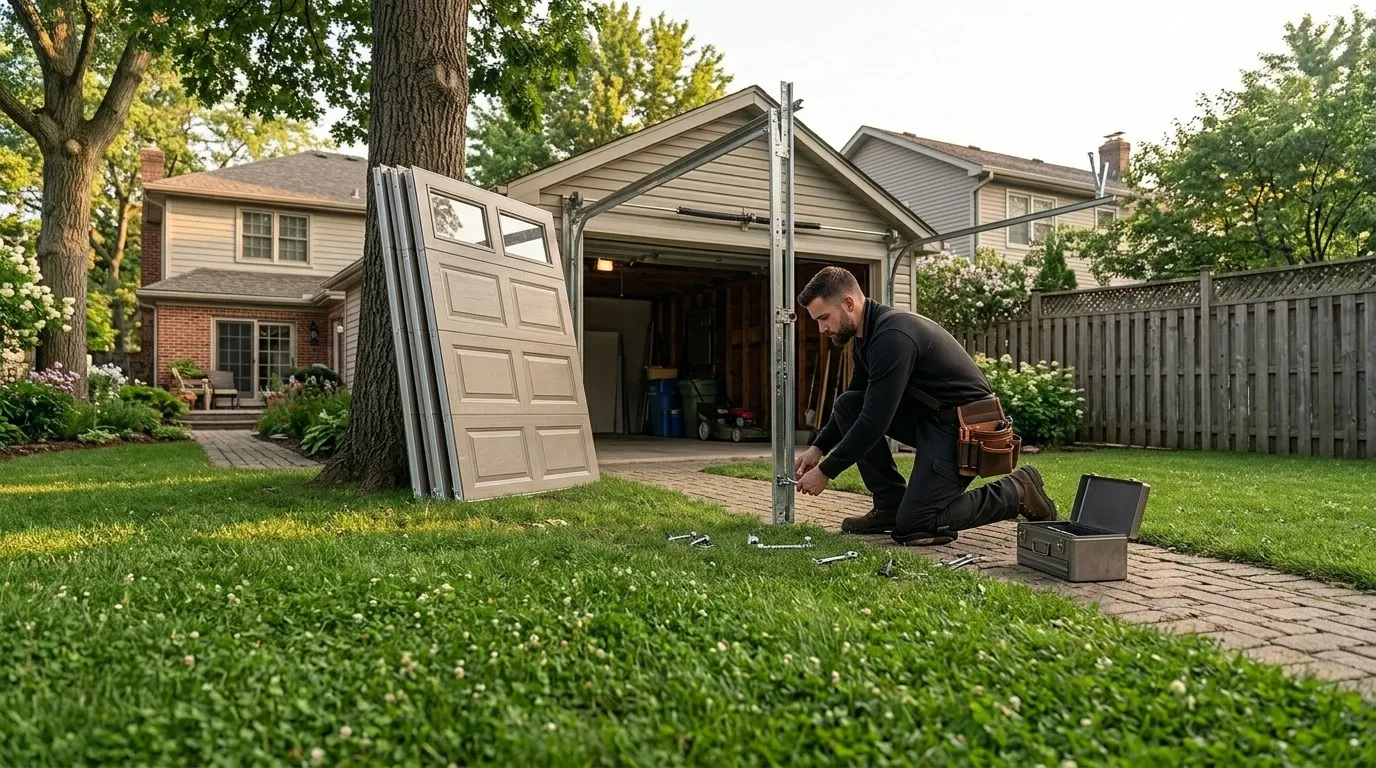
The median year built in Riverwoods sits right around 1984, which lines up with the broader area's build pattern of 1938 to 2009 construction and the mostly 1980s-90s stock found across the service area's named communities. What that means on the ground: a lot of these garages were built for a specific door width and a specific spring configuration that was standard in the mid-80s, not what's stocked on trucks today. Extension springs mounted along the horizontal track were common in this era, and torsion setups from that period often used a size of spring shaft and drum that later manufacturers stopped making in bulk. Homes from this build window also tend to have single-layer steel or wood doors with hardware that's aged out of factory support, even if the door itself still looks fine from the driveway.
How That Shows Up in the Door
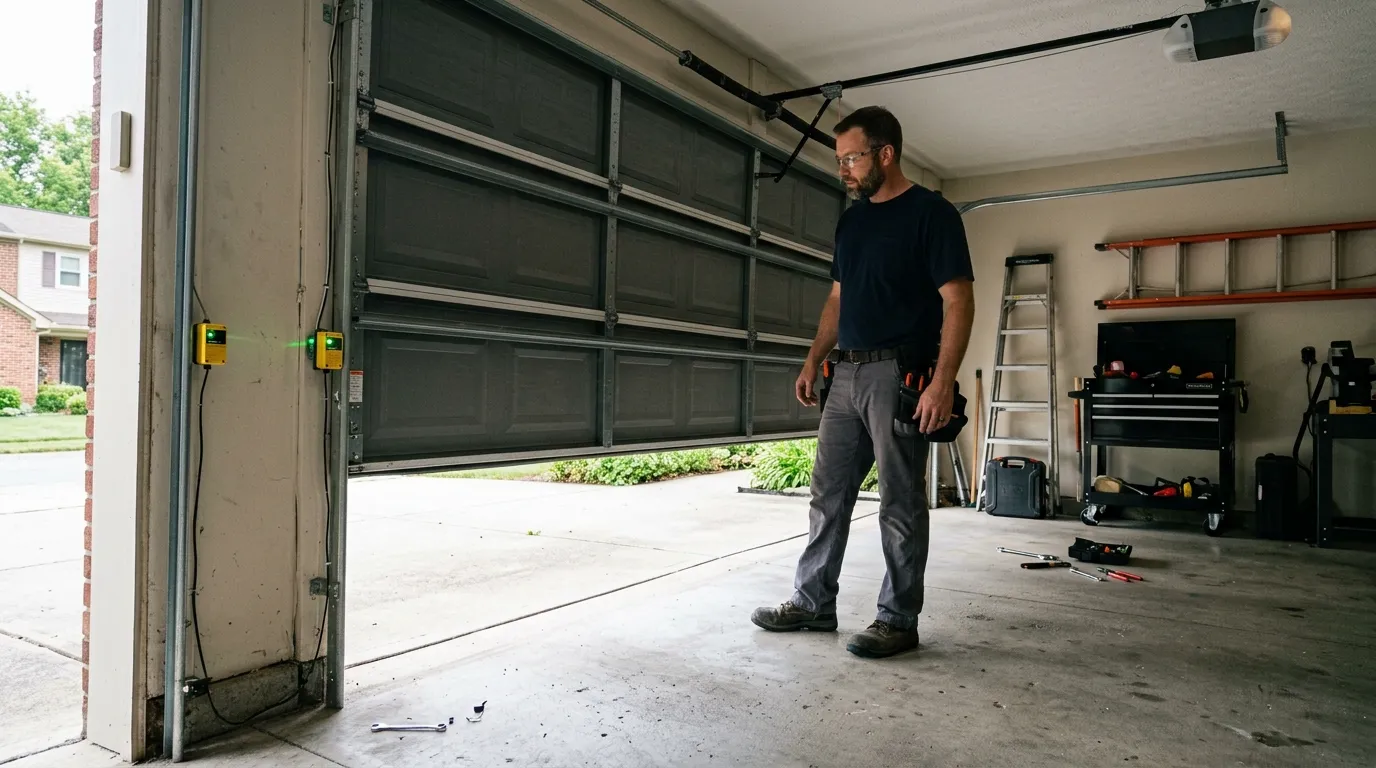
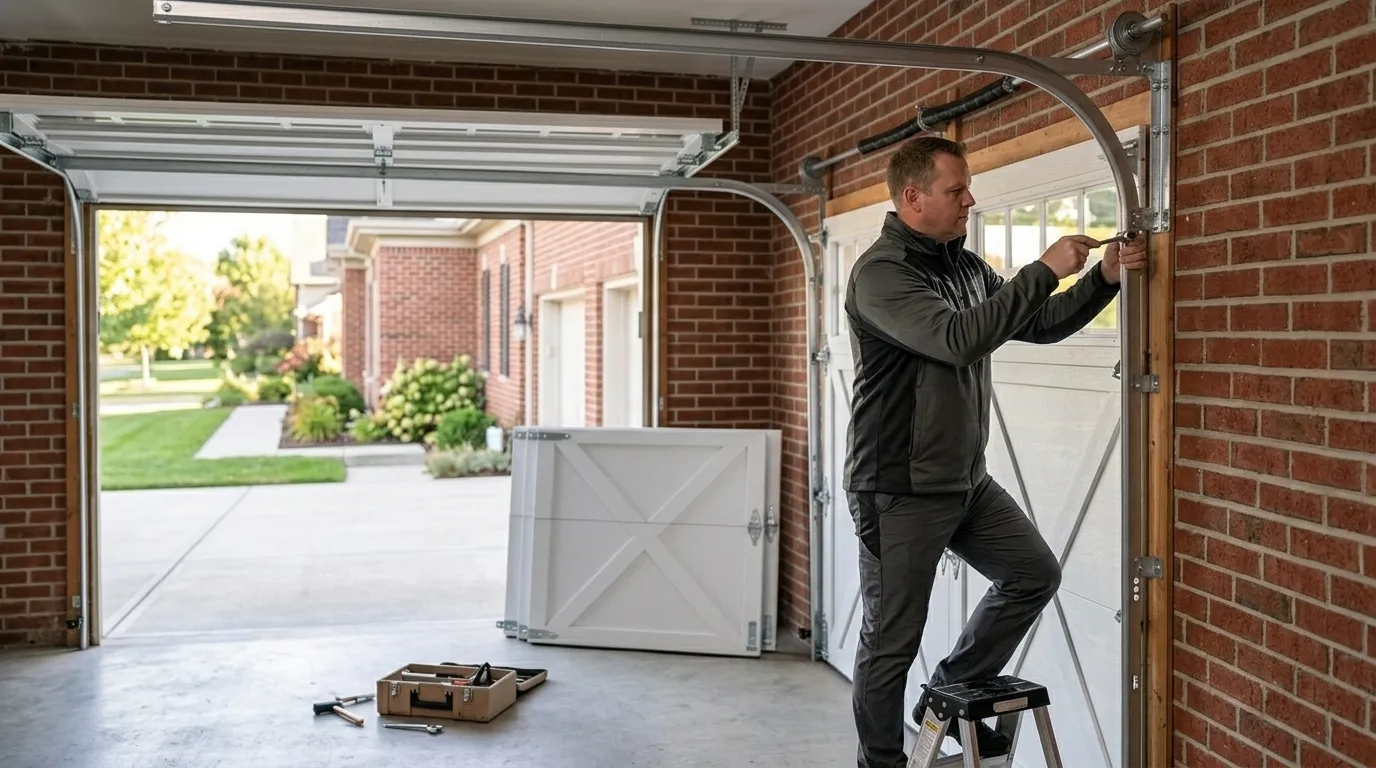
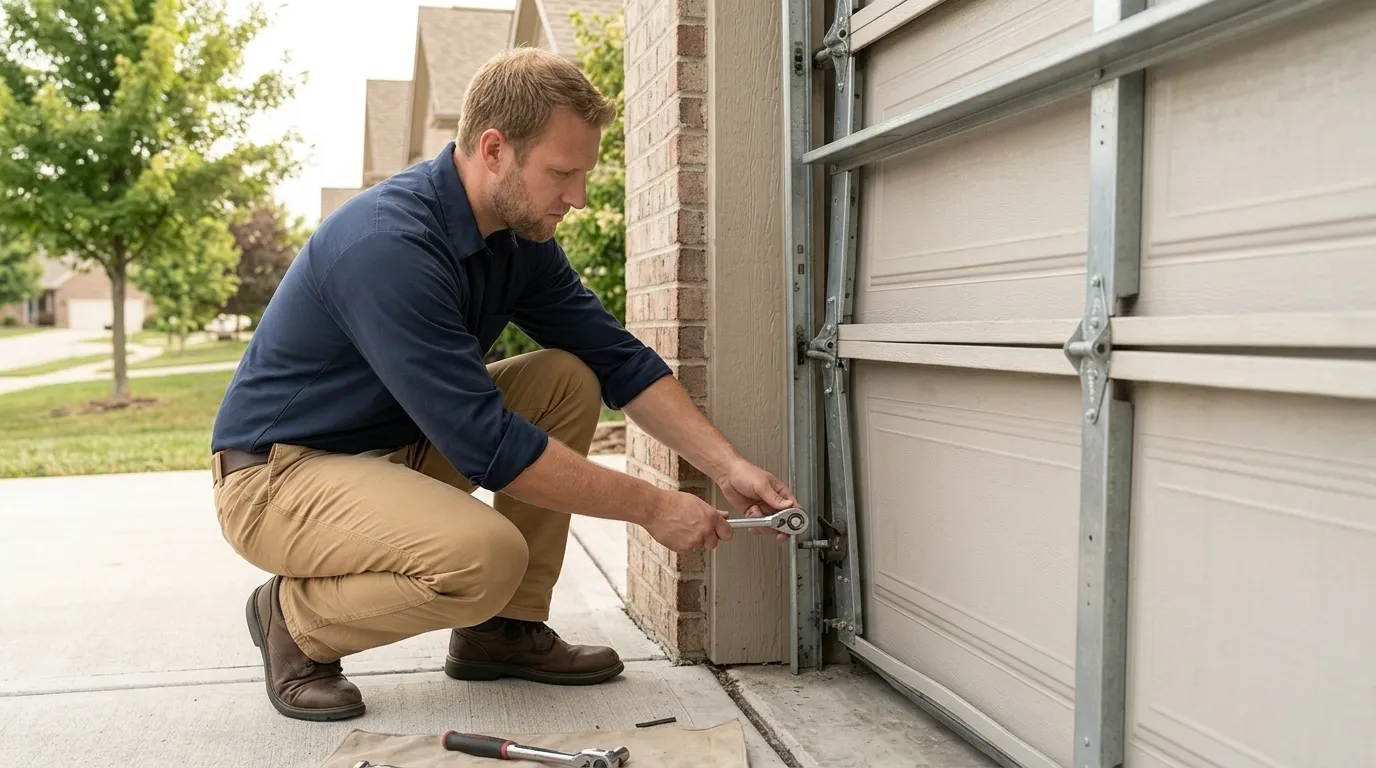
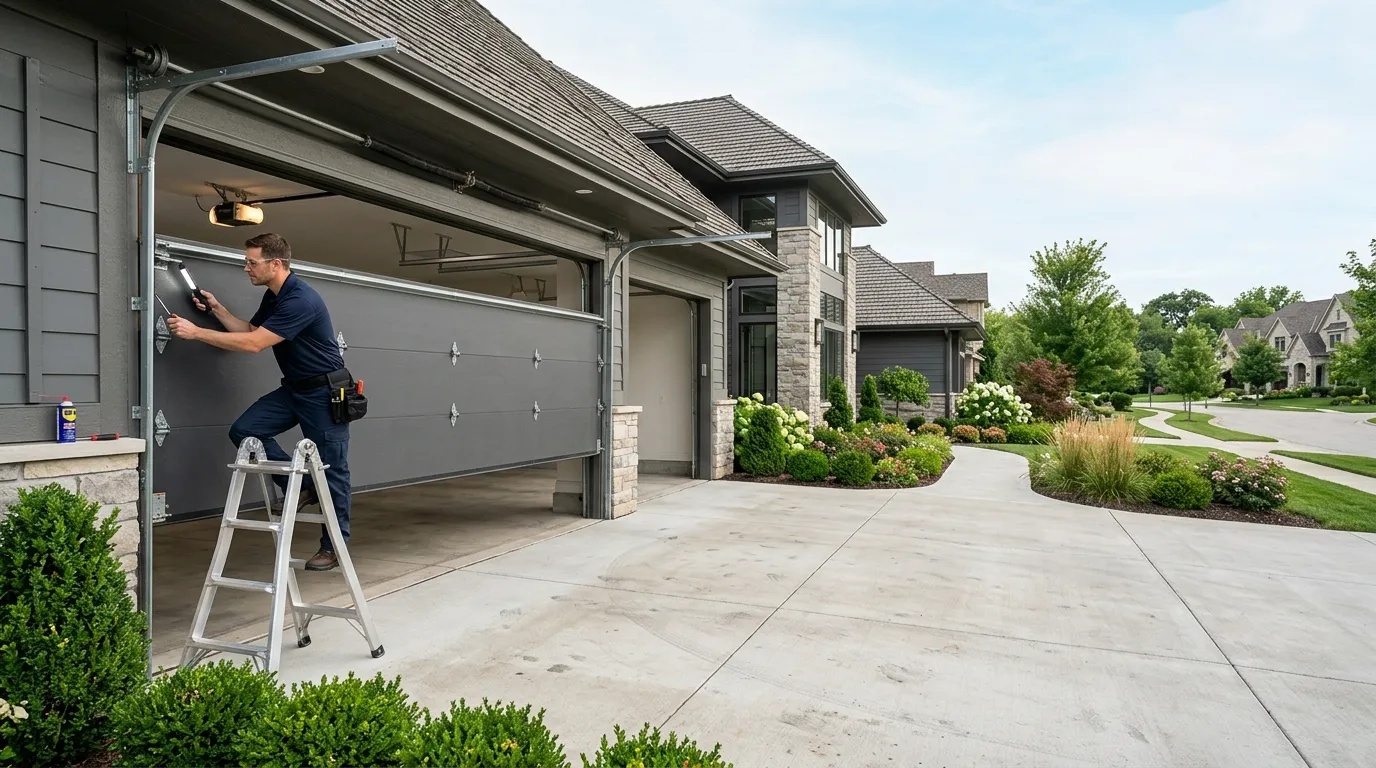
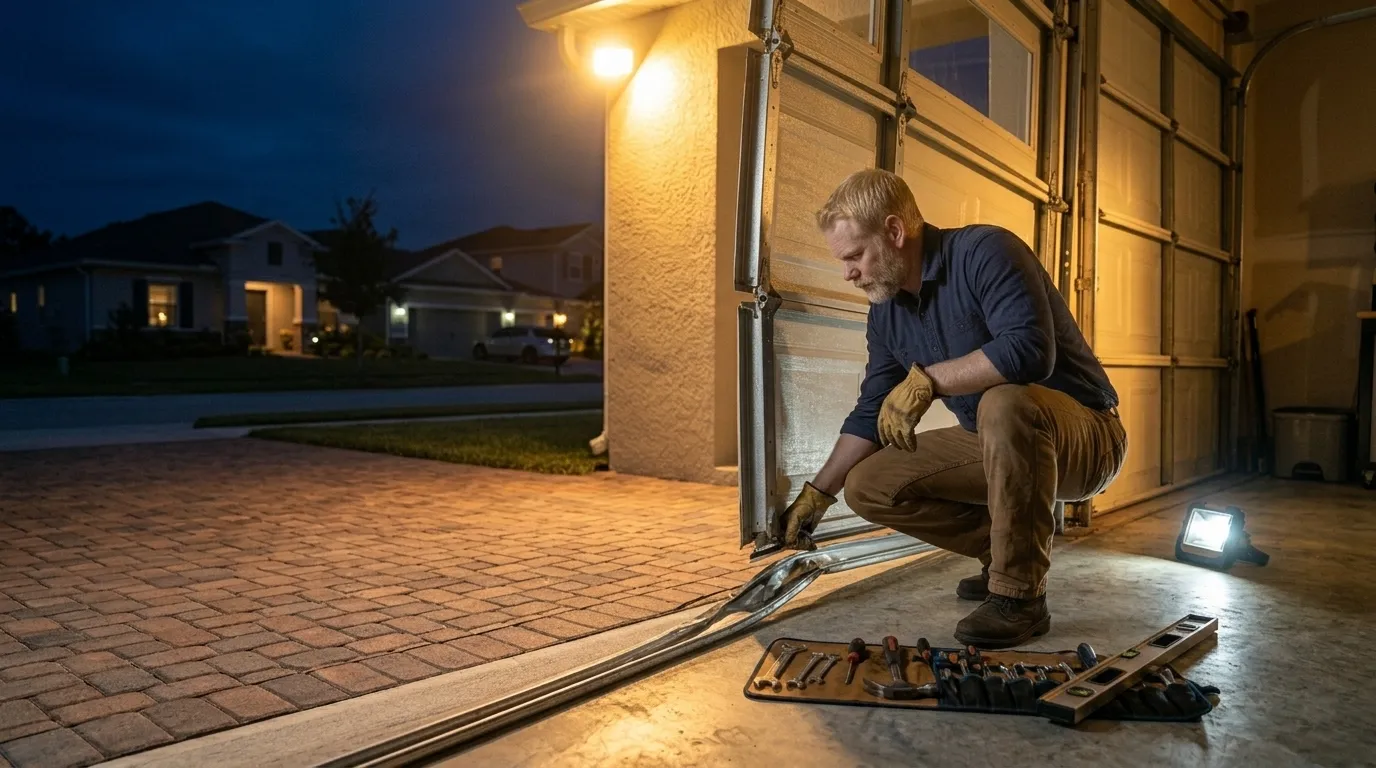
On a house built in 1984, the failure we see most is a spring that's simply reached the end of its cycle count, not one that failed from abuse. The rollers are usually the original steel type, which means more noise and more wear on the track over three decades than a nylon roller would have caused. Openers from this era, if they've survived at all, are chain-drive units with none of the safety-reversal sensors required in later production, so a straight swap isn't always possible without also updating the bottom brackets. We'll tell you straight if a repair isn't worth it: on a door this old, once the spring, the rollers, and the opener are all due at the same time, patching one piece often just moves the next failure a few months down the road.