This Area's Housing
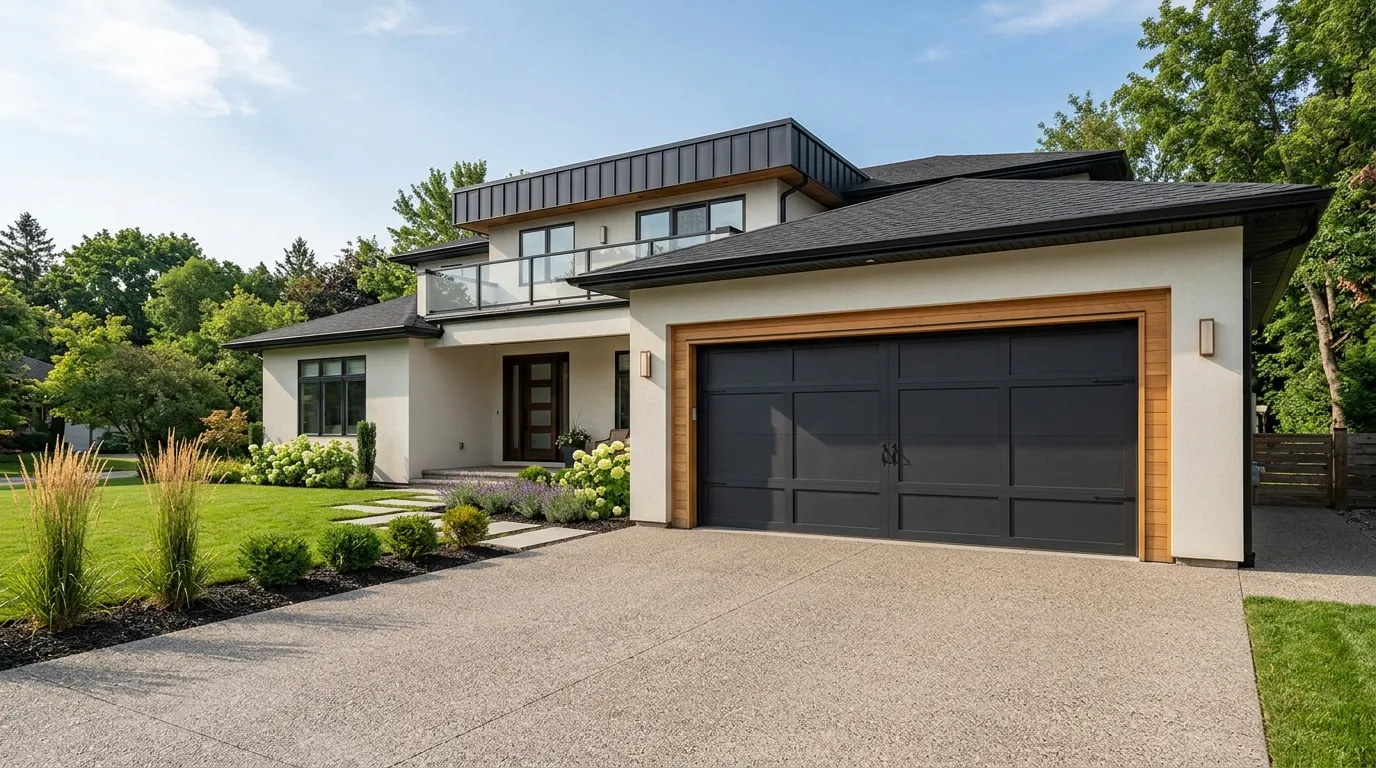
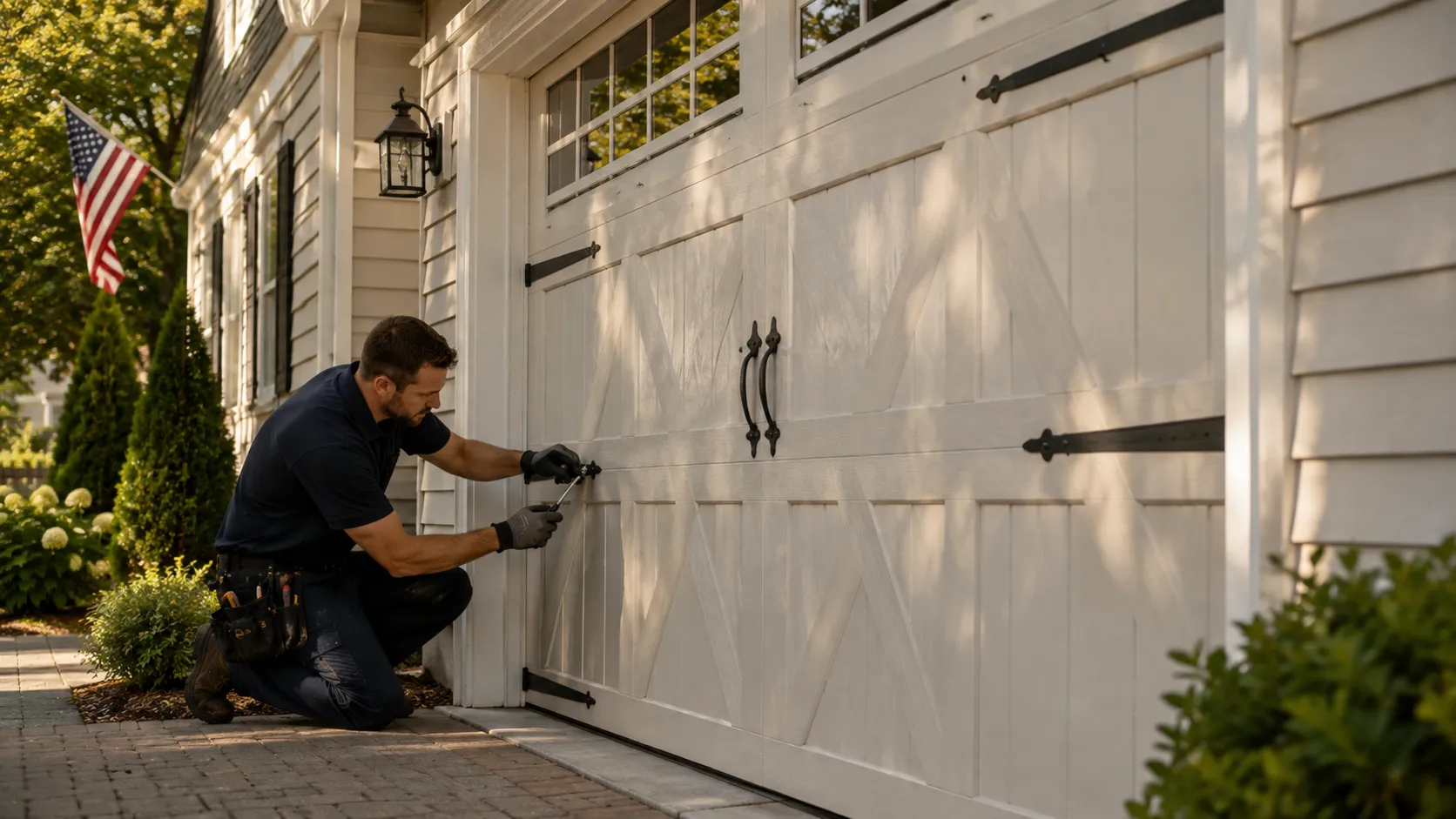
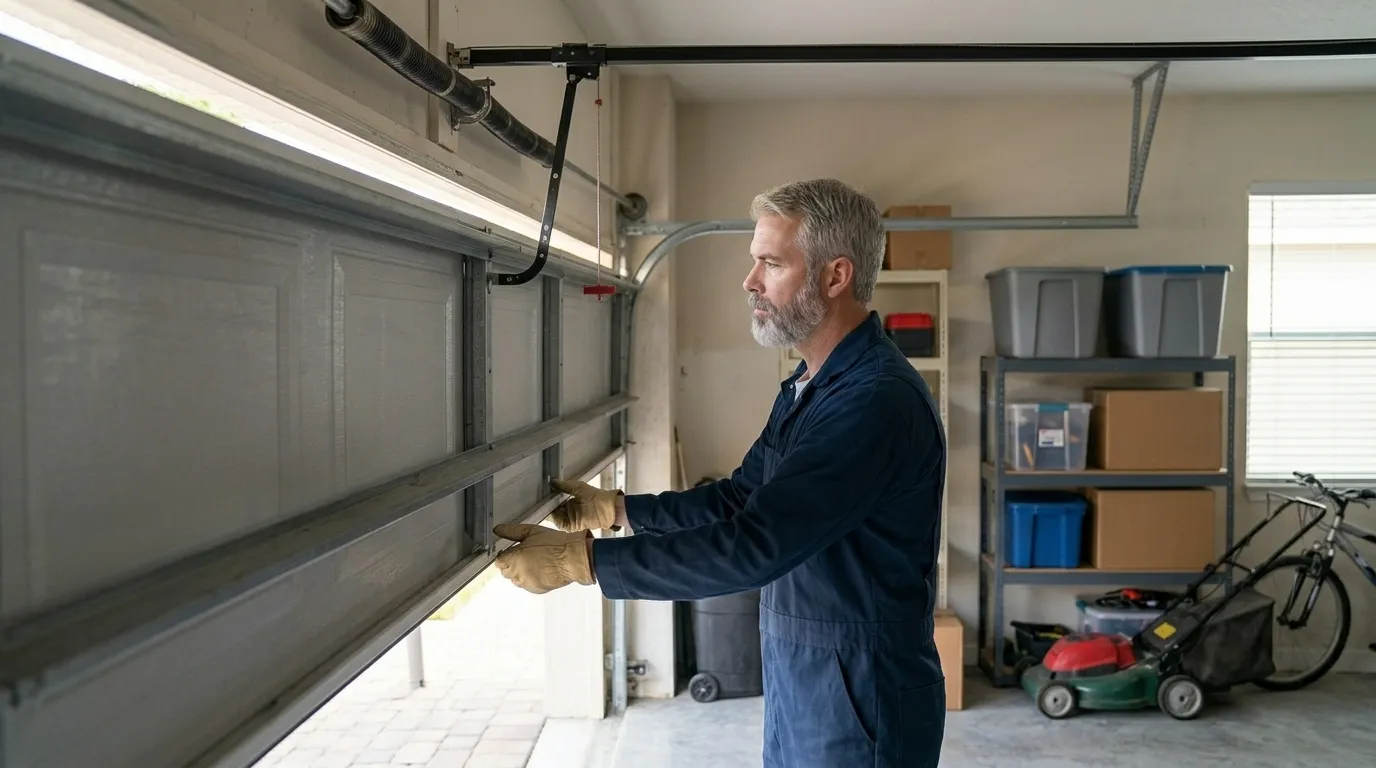
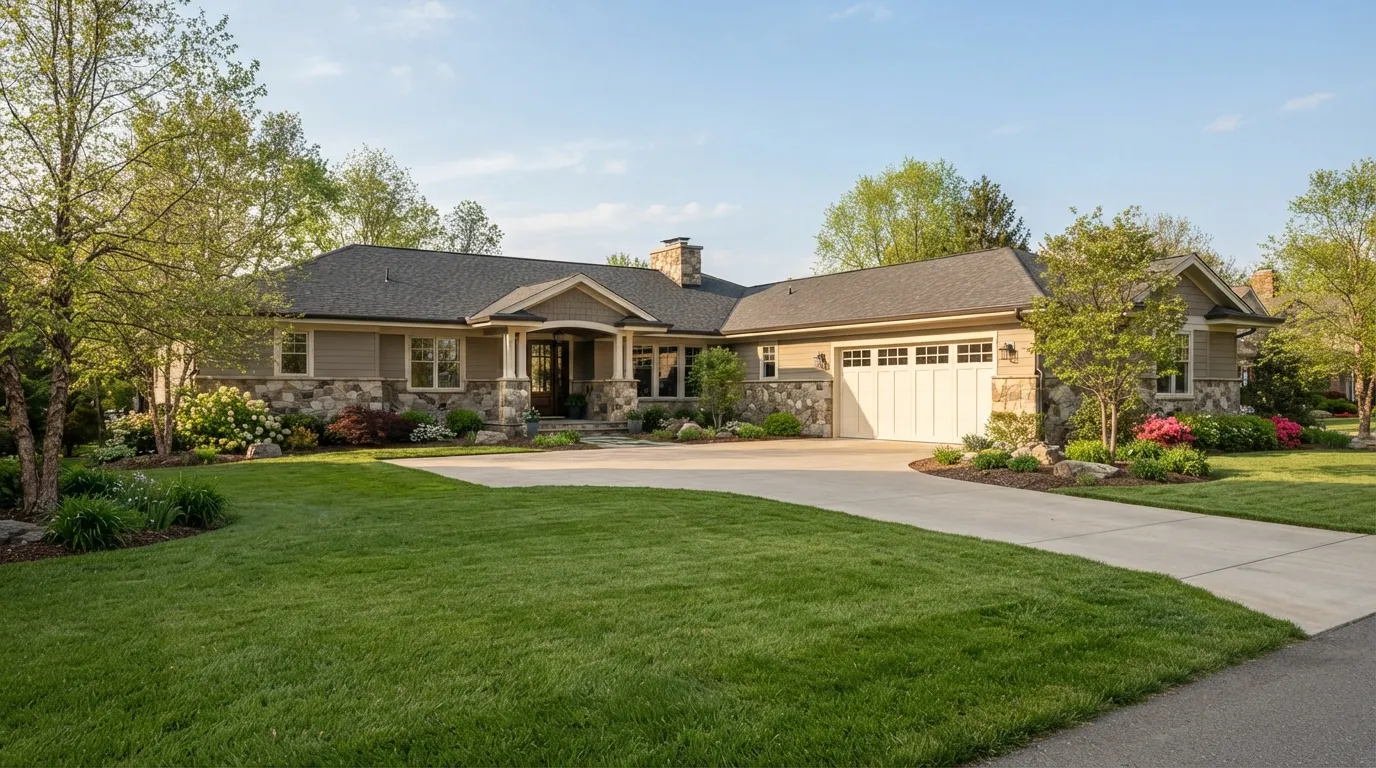
Across the wider service area, the median home was built around 1984, but Spring Grove runs later than that - the median build year here is closer to 1997. That's a real gap, and it matters for the door on your garage. A house built in the mid-1990s almost always came with a factory steel sectional door on torsion spring hardware, not the older extension-spring or wood slab doors you'll find in the region's earlier subdivisions. With around 1,867 households in this pocket, it's a smaller, newer slice of the coverage area rather than one of the older cores. Median household income here runs about $133,224, above the wider area's $121,583, and that shows up in what people choose when a door does fail - more owners here go for a full insulated steel replacement instead of nursing an old door along.
How That Shows Up in the Door
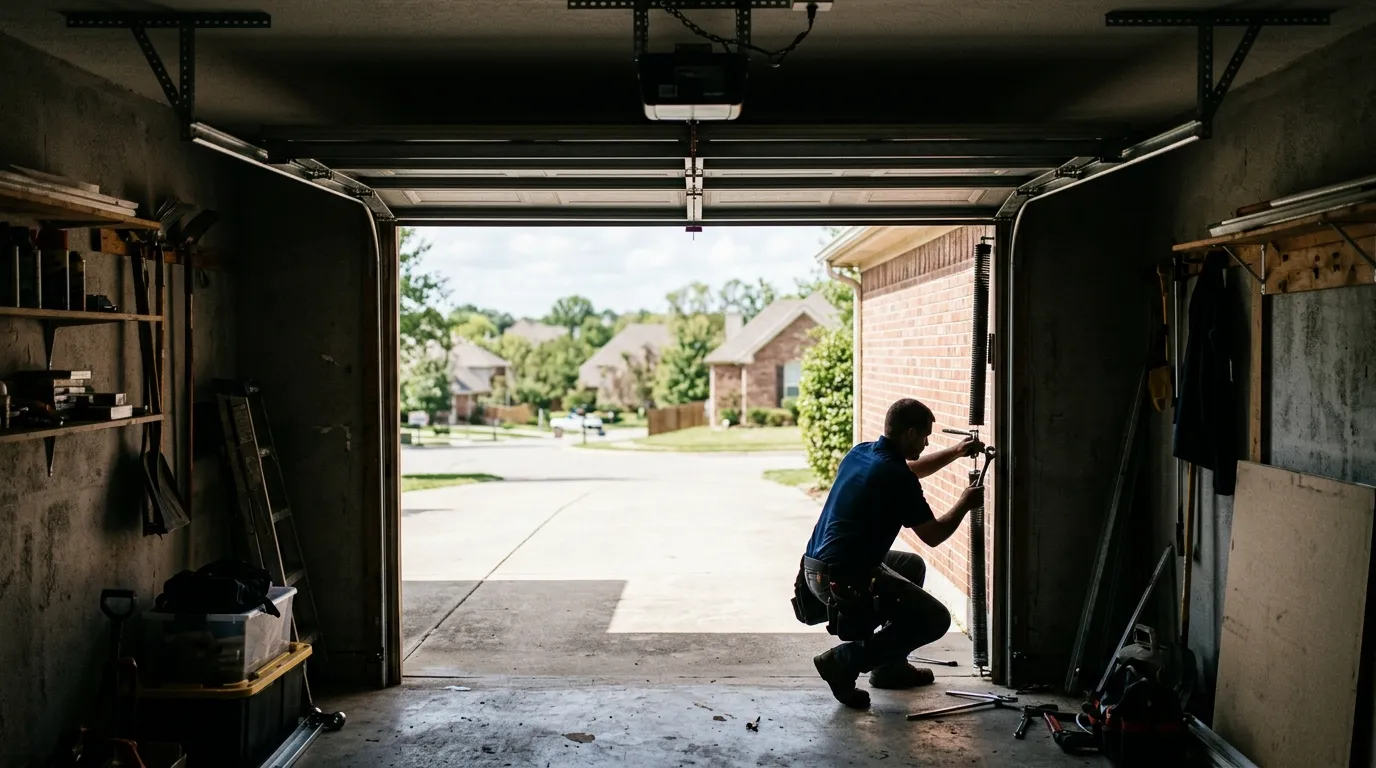
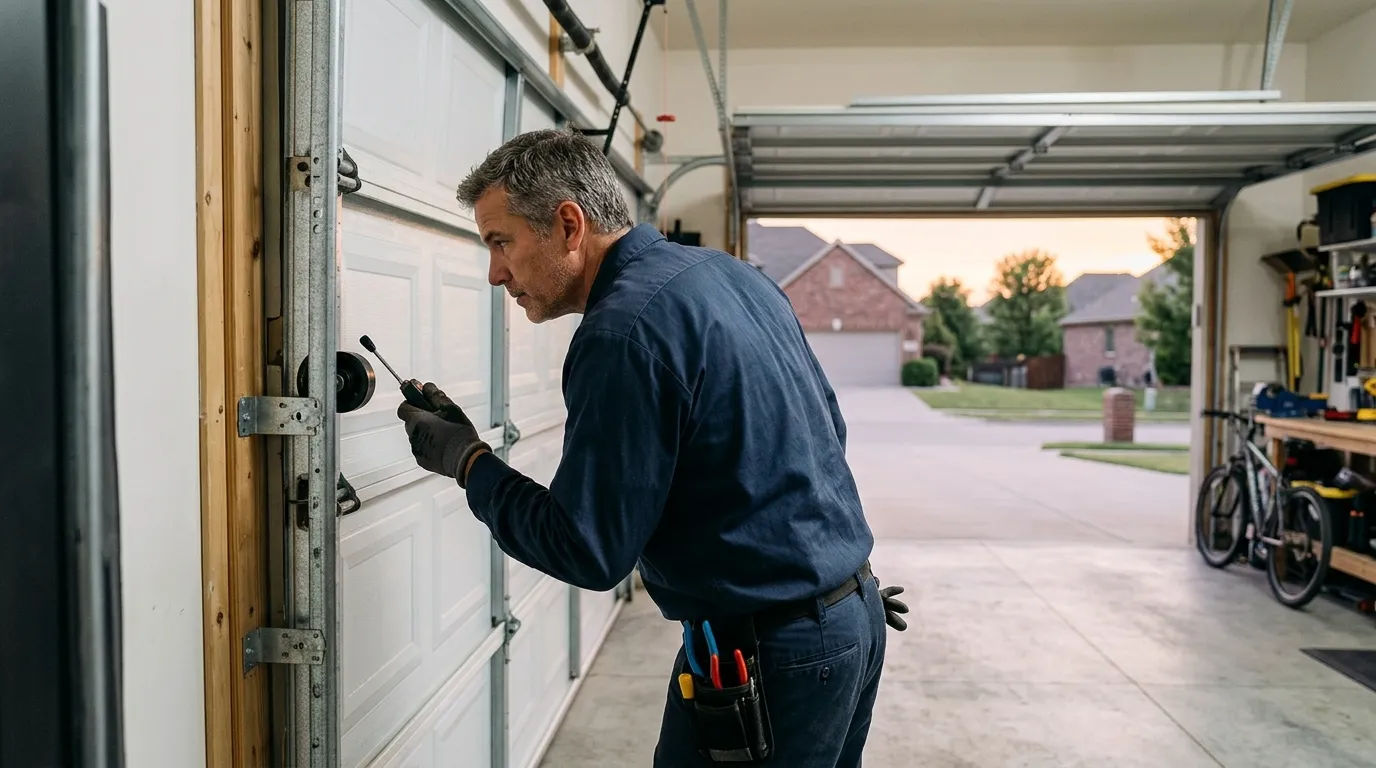
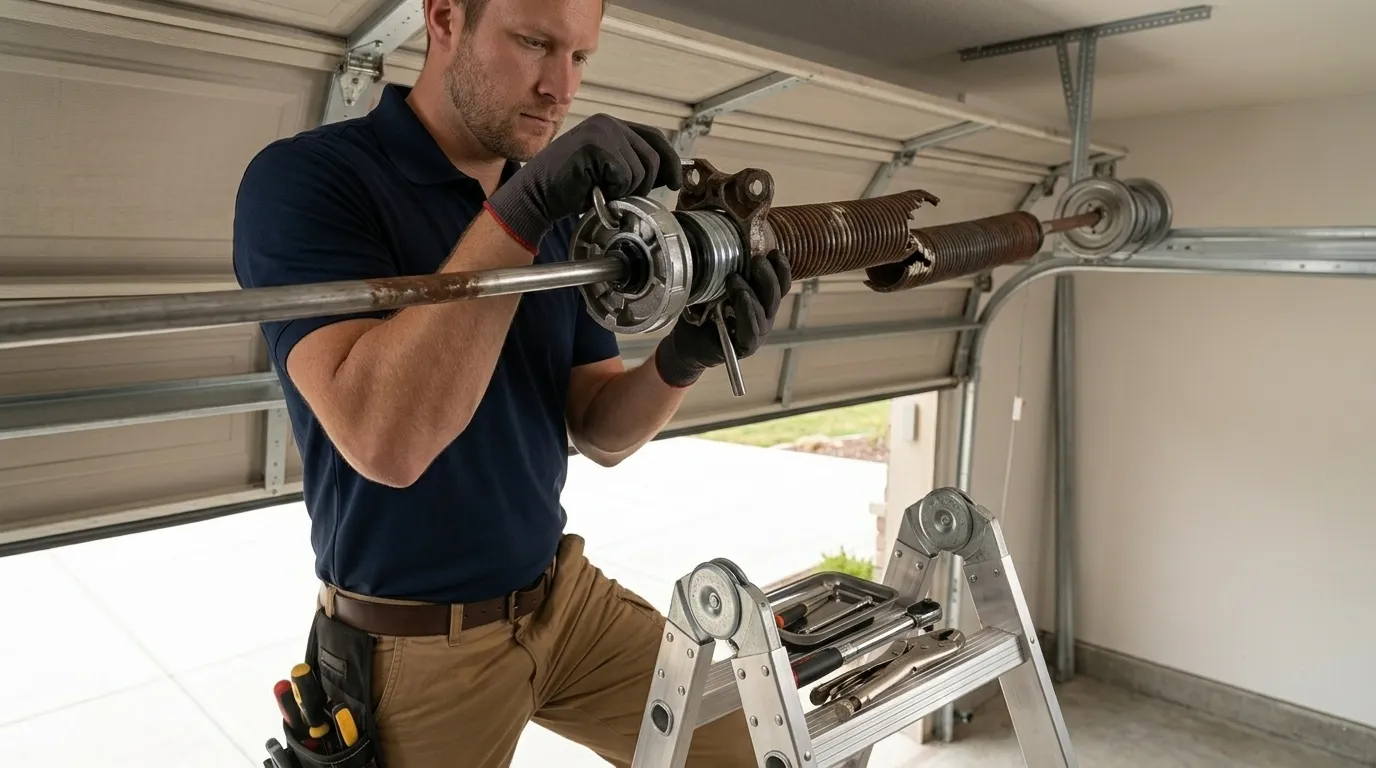
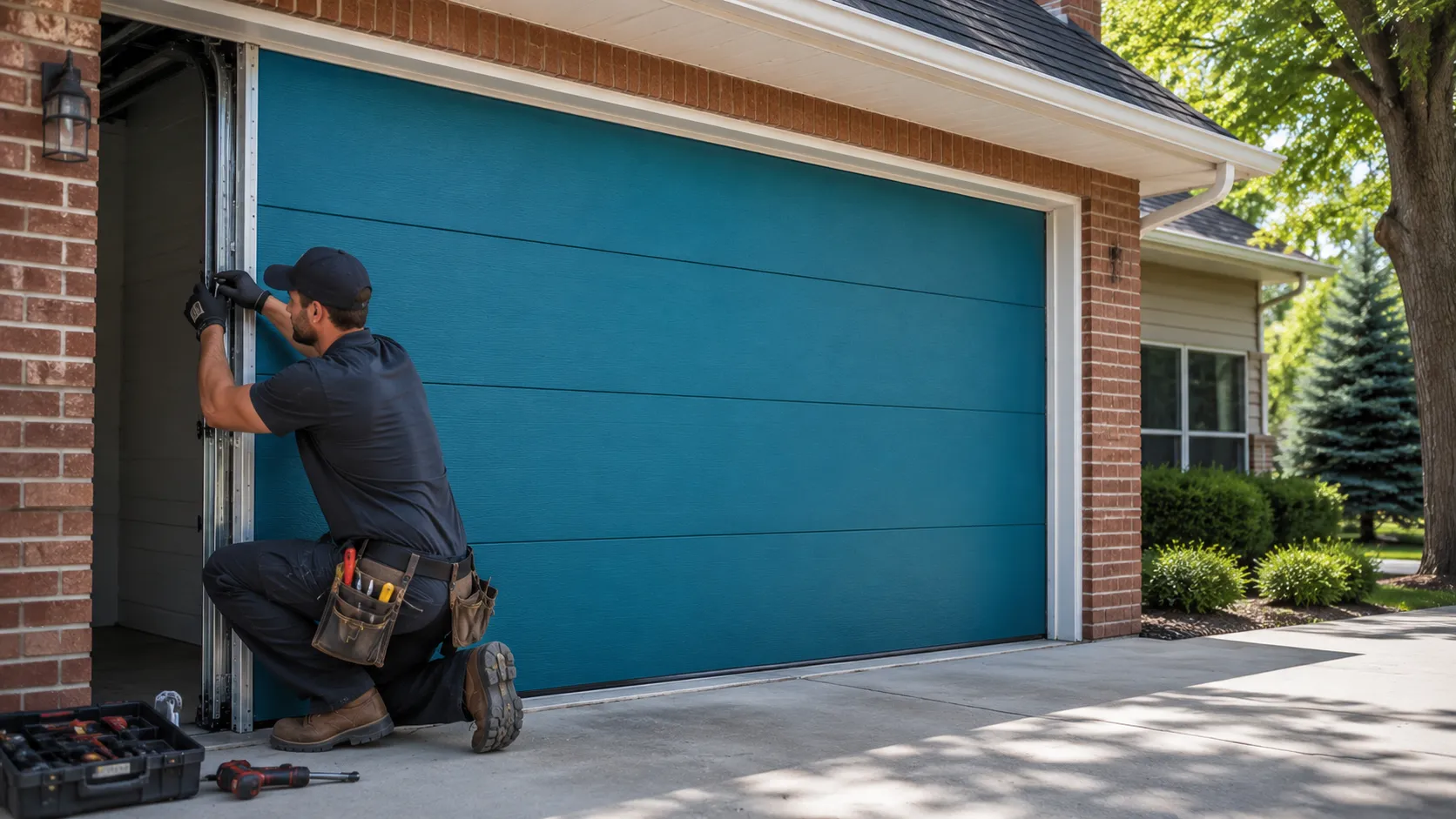
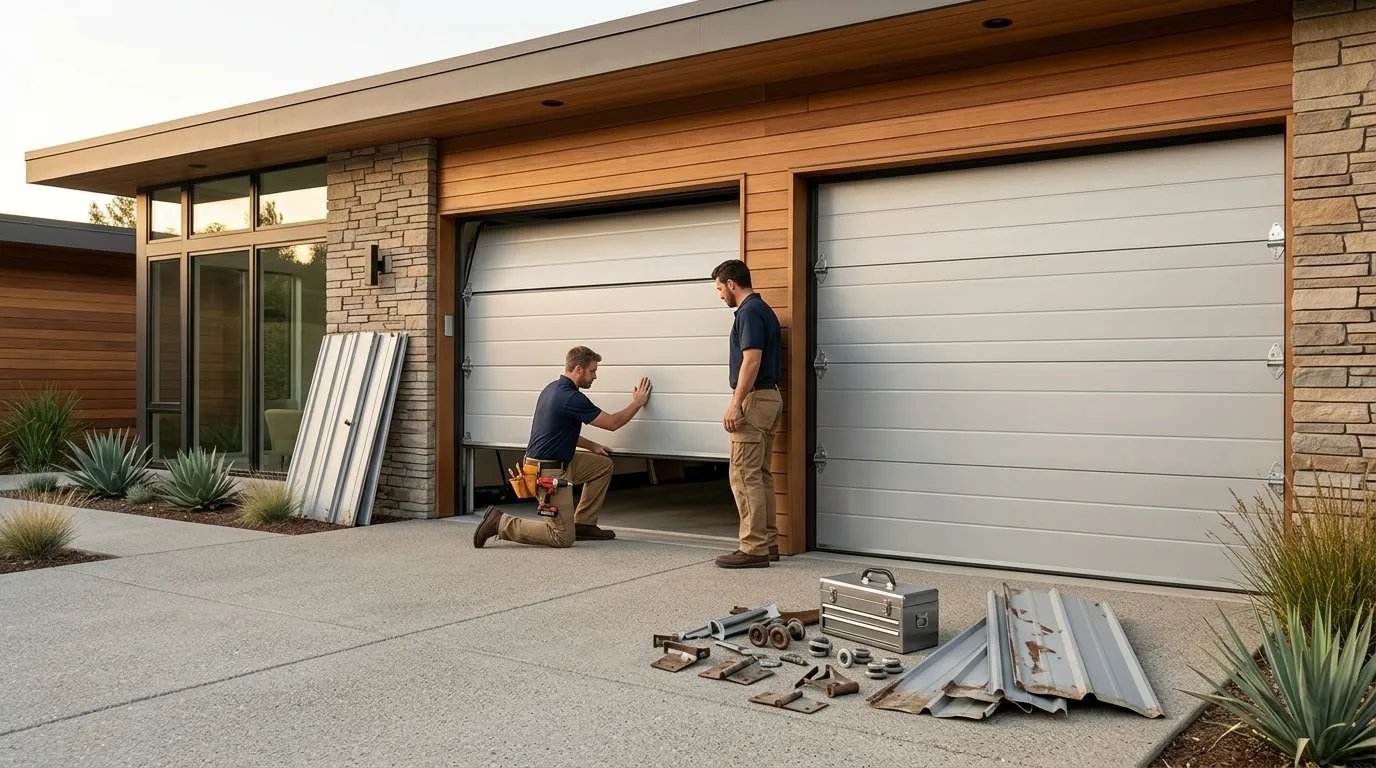
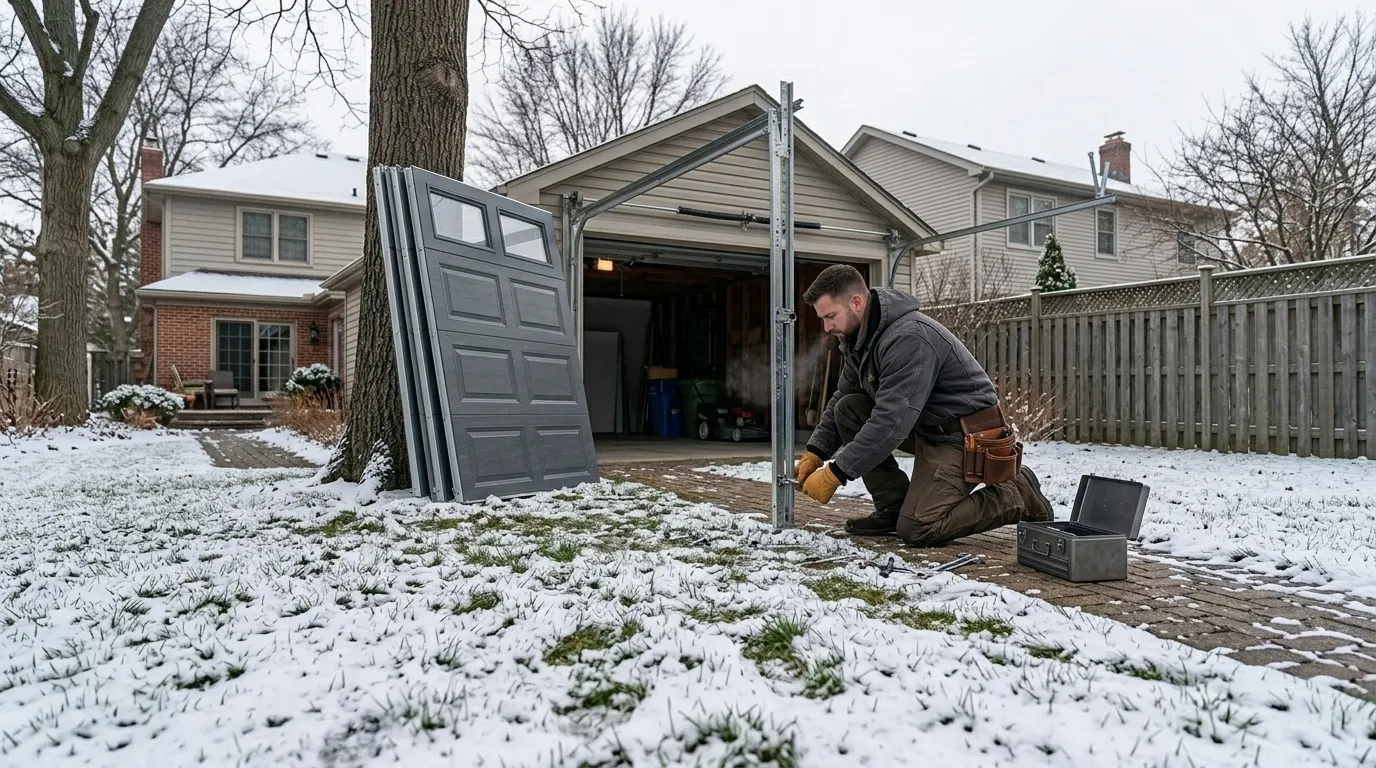
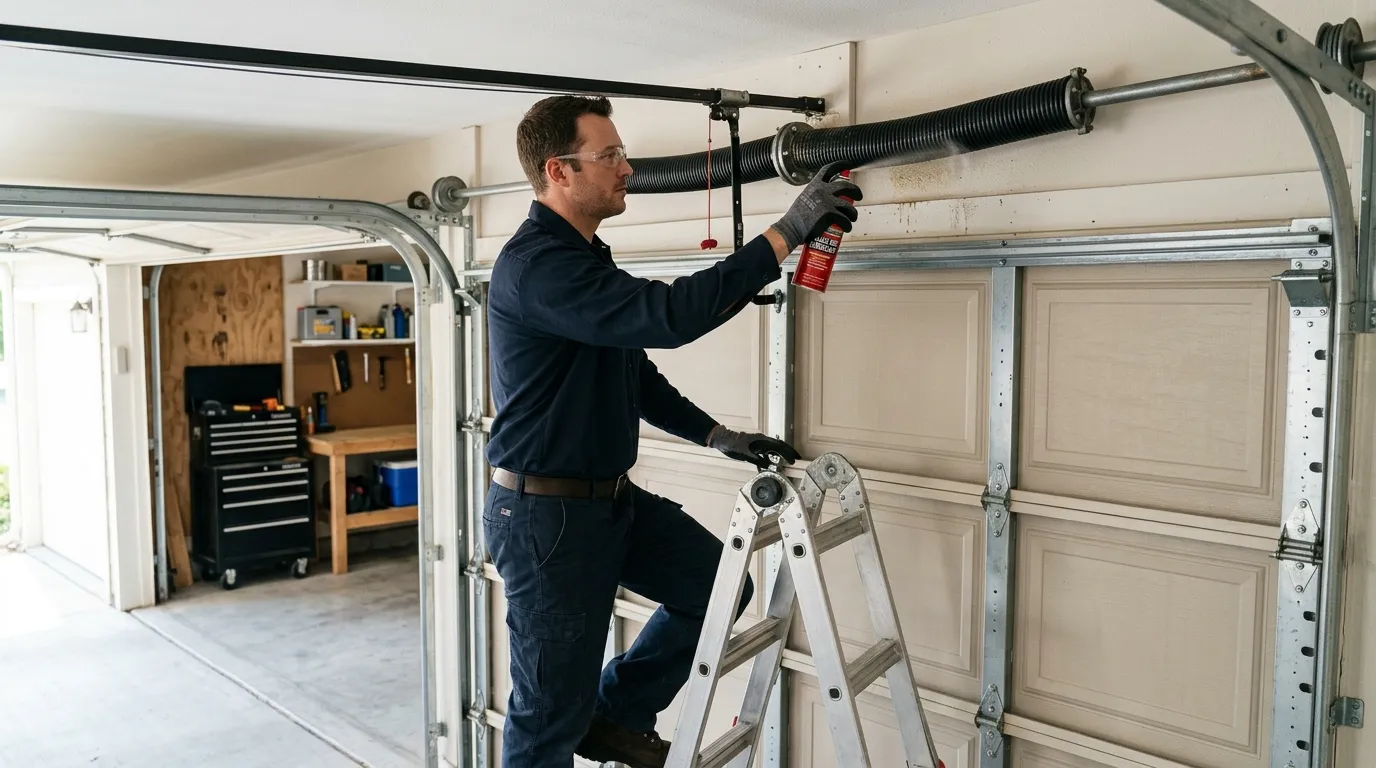
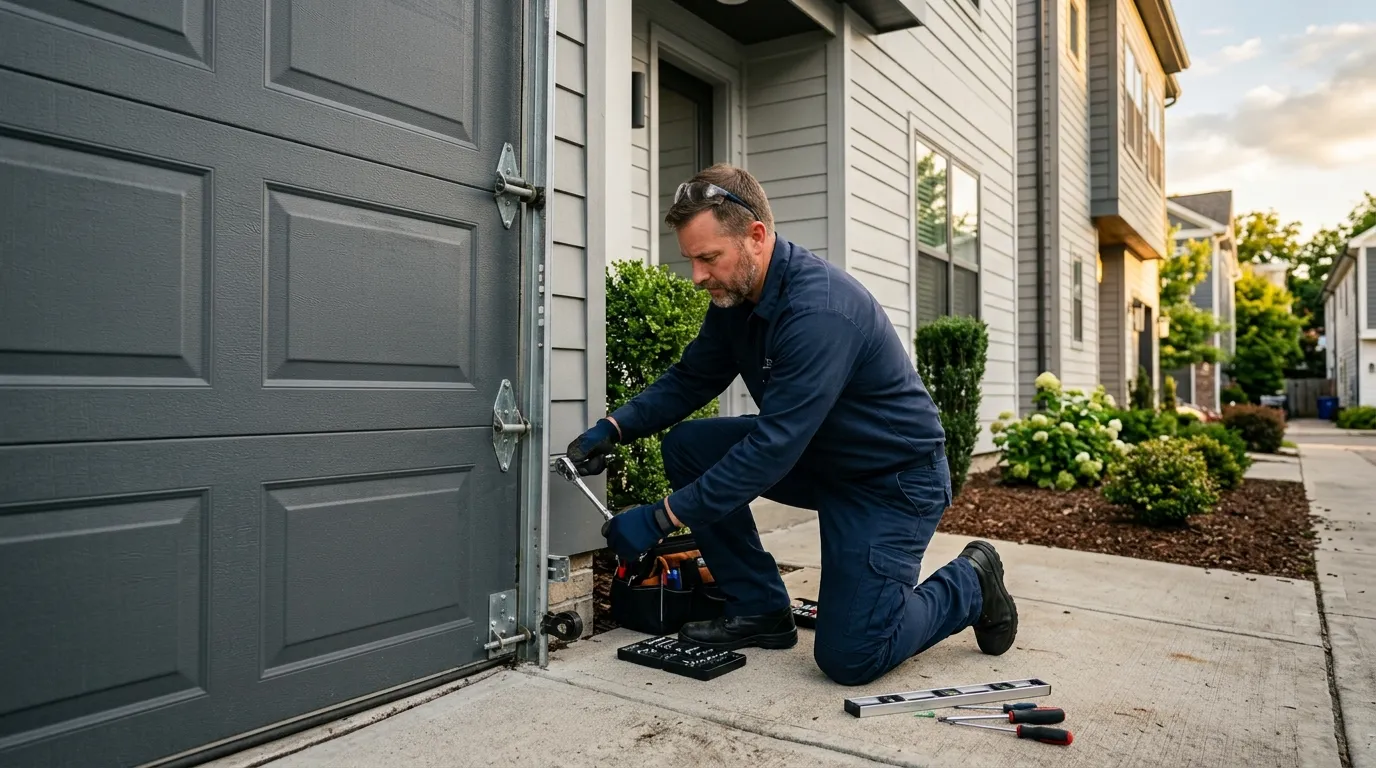
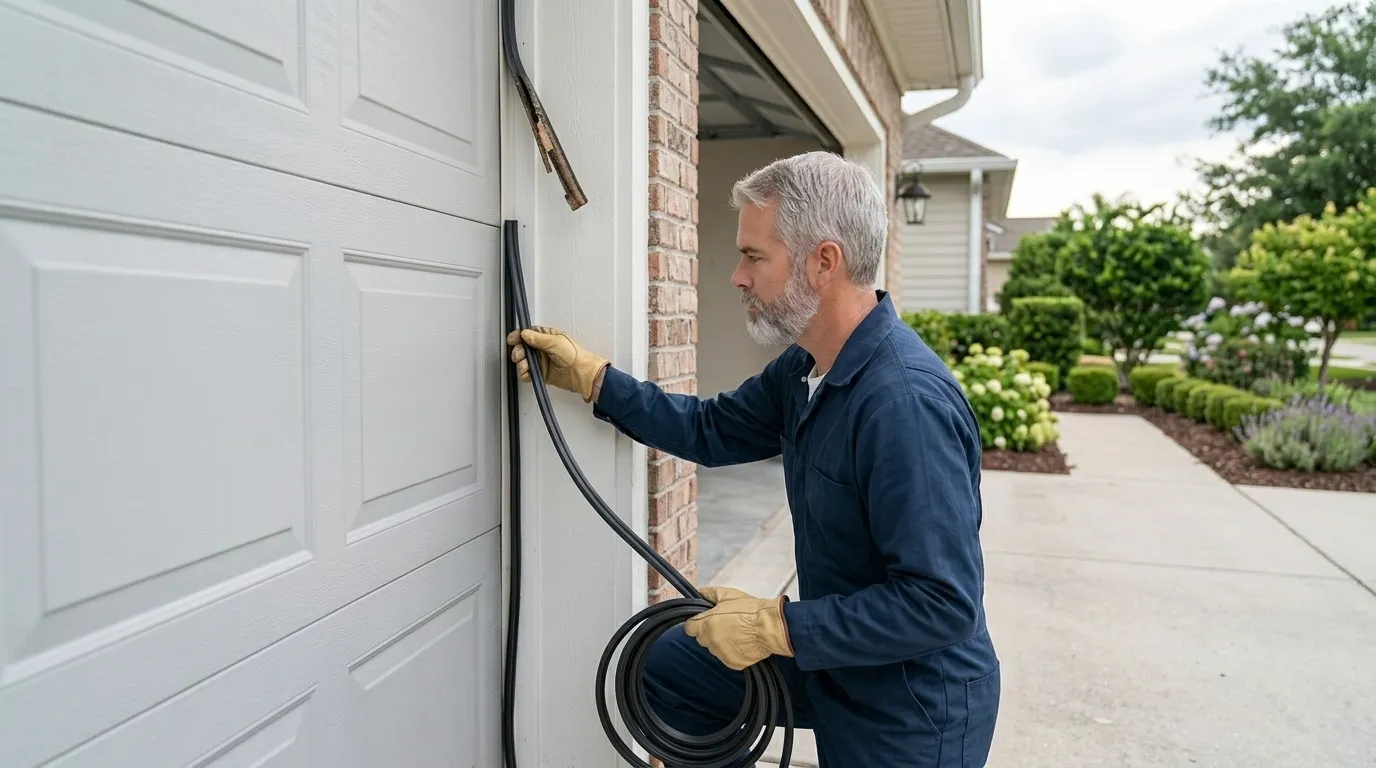
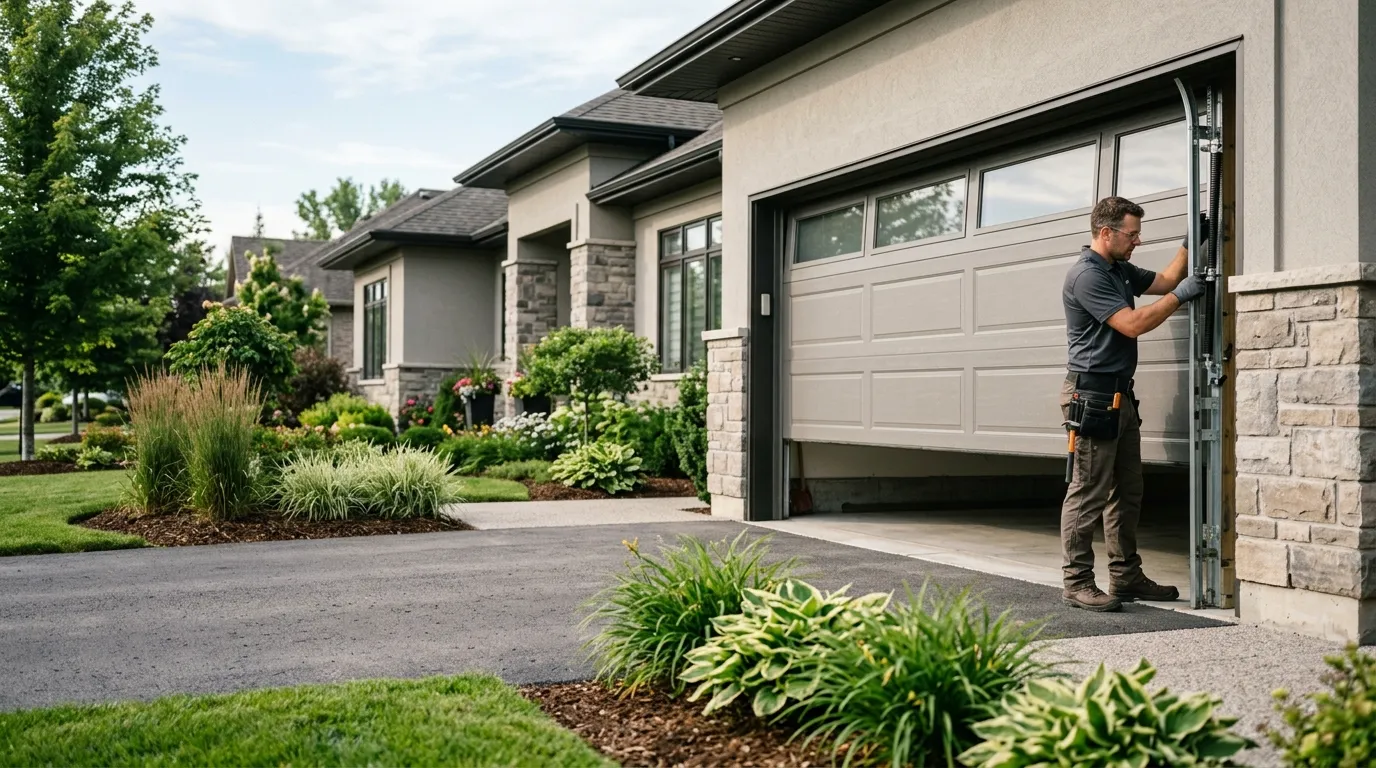
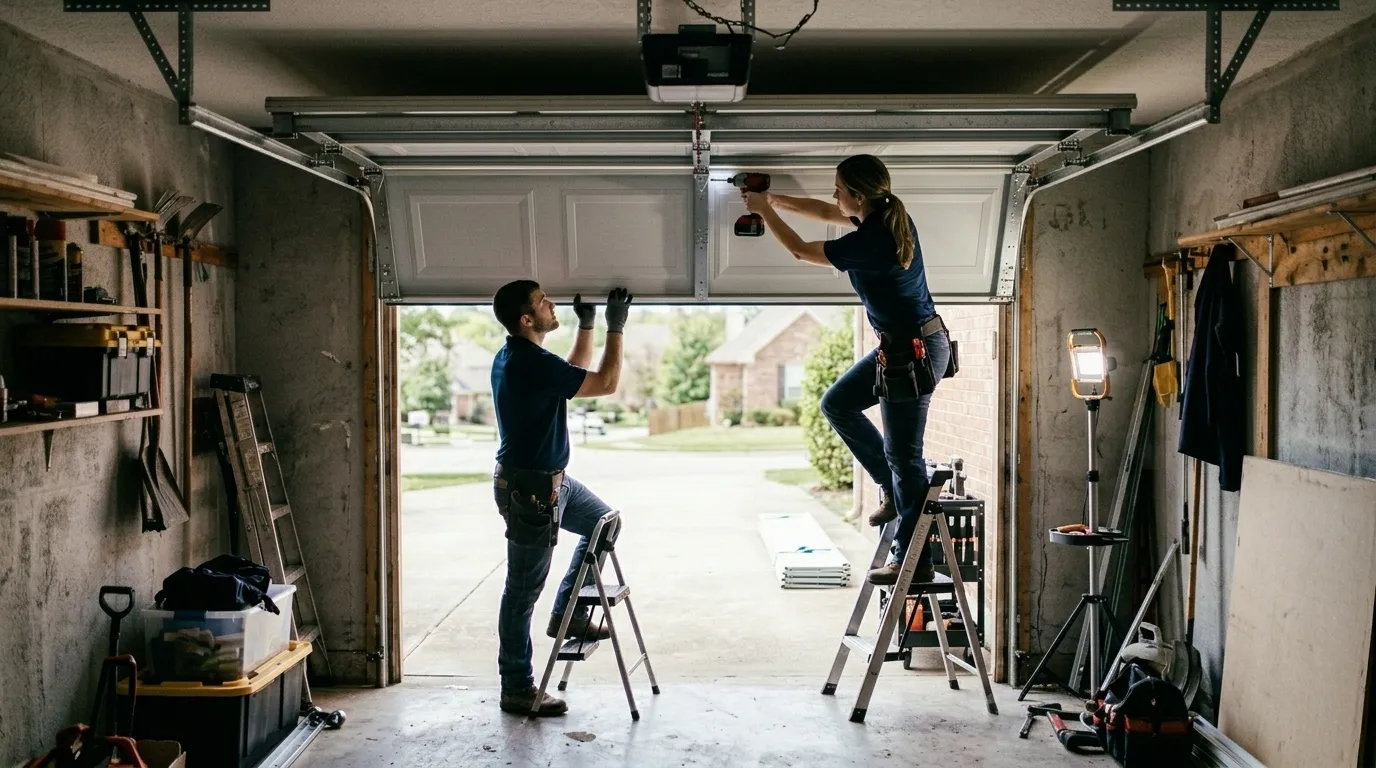
Because most garages here date to the late 1990s, the failure pattern is pretty consistent: torsion springs that have finally reached the end of their cycle count, nylon rollers that have gone from quiet to grinding, and openers with drive gears or logic boards wearing out after twenty-some years of near-daily cycles. We rarely see the one-piece slab doors or the ancient extension-spring setups that turn up on older housing closer to the city - this area mostly skipped that generation of hardware. That's good news for parts availability. Standard torsion springs, steel rollers, and common opener models from that build era are things we stock or can get quickly, not obsolete parts we have to hunt down. Where the winters here run cold and hard, the honest limitation is this: cold makes steel brittle and lubricant thick, so a spring that's already near the end of its life is more likely to snap on a sub-zero morning than in July. If your door has been sluggish or noisy through a cold stretch, that's worth a call before it fails outright.