This Area's Housing
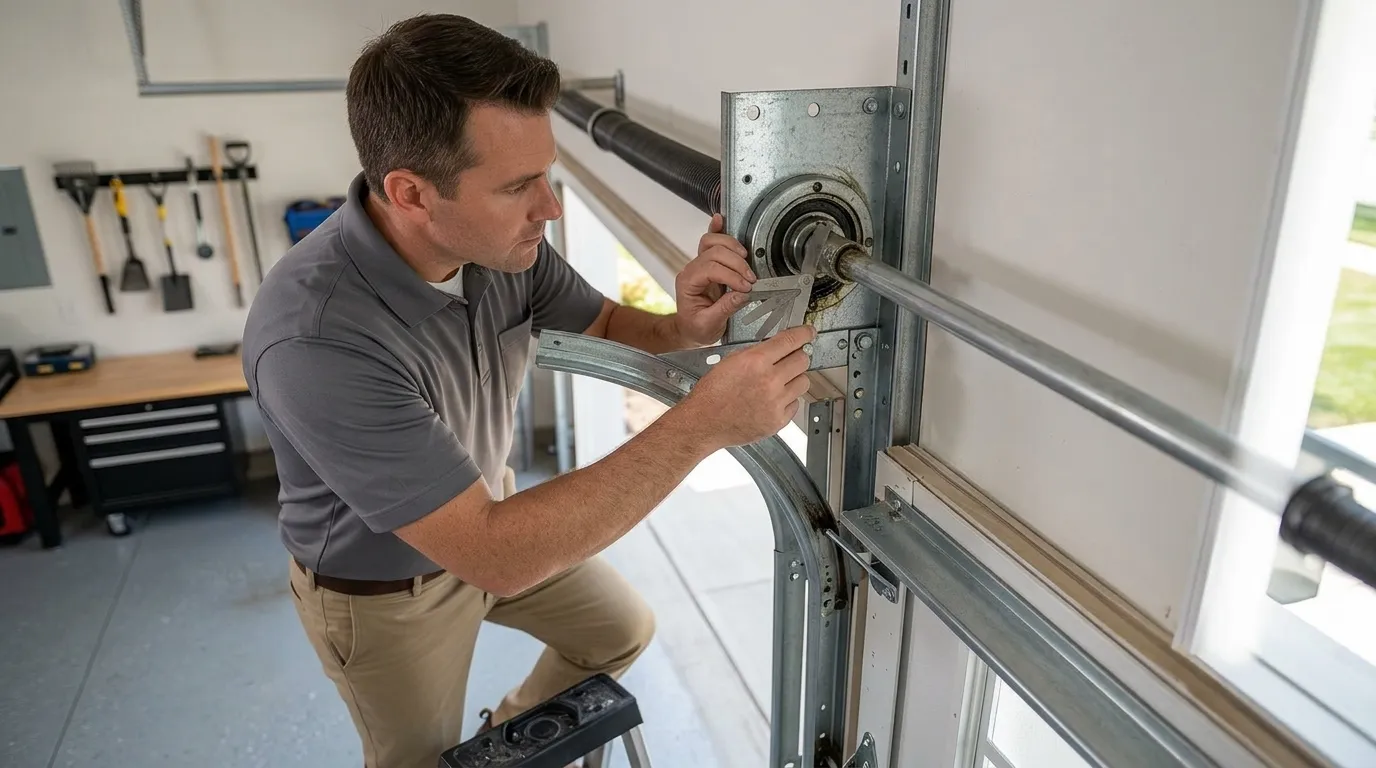
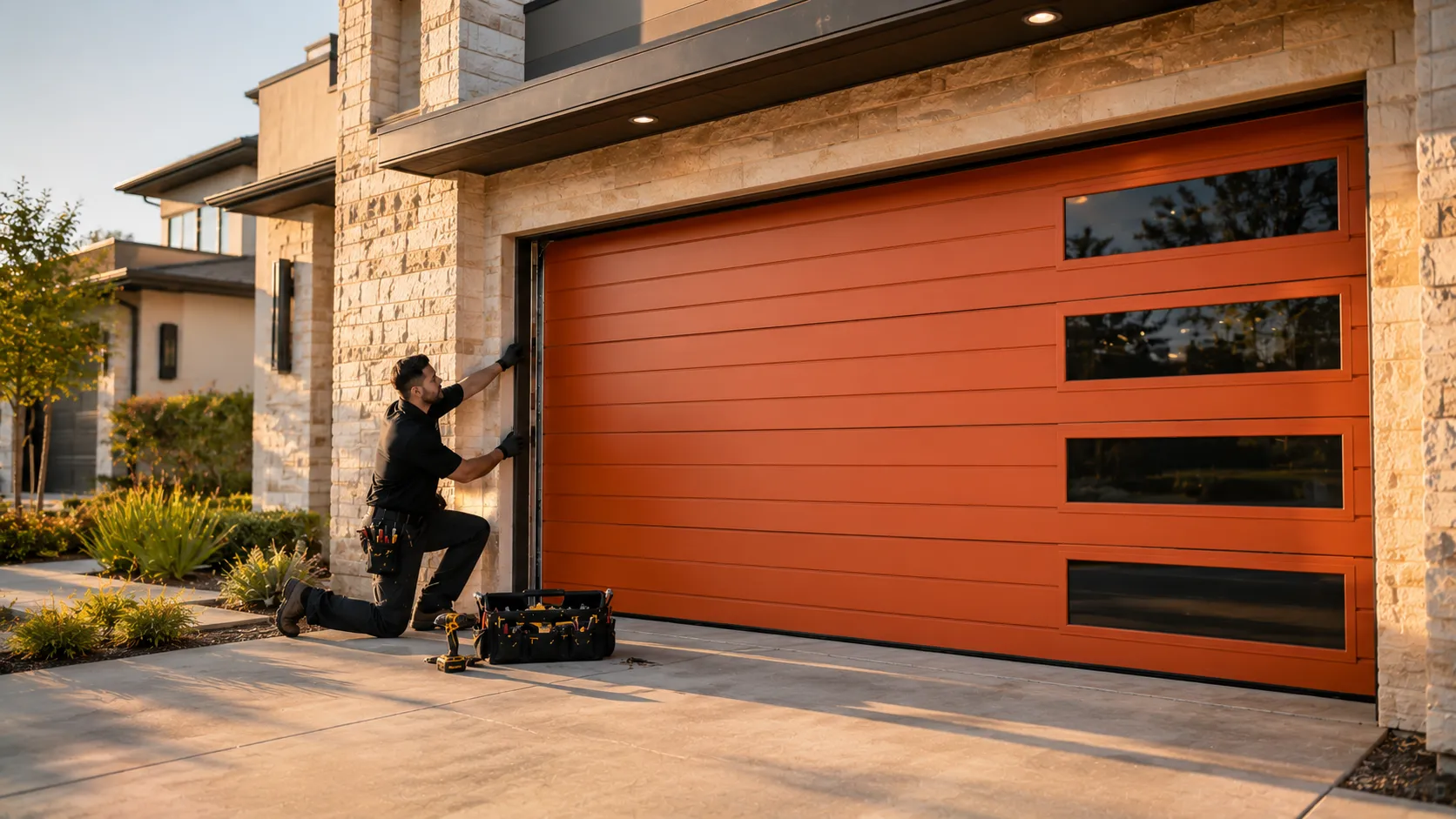
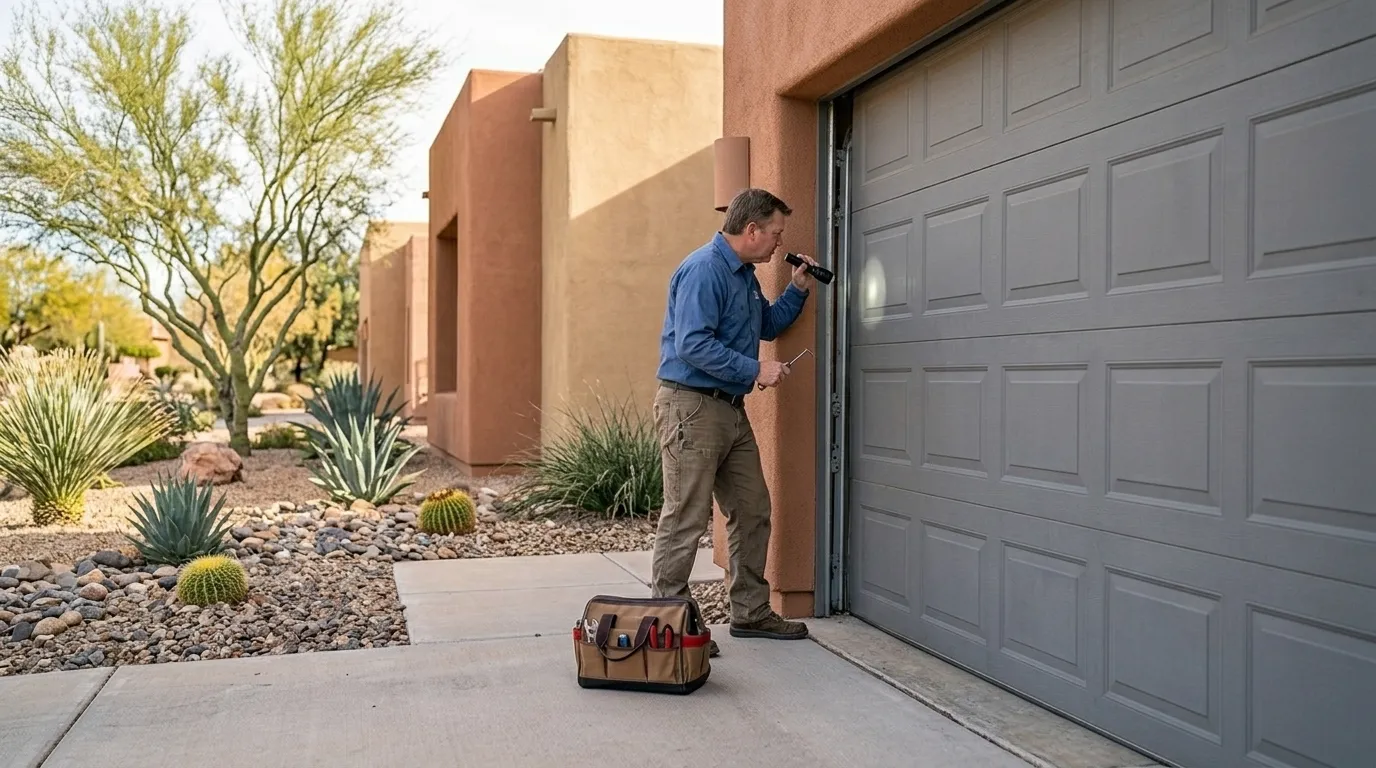
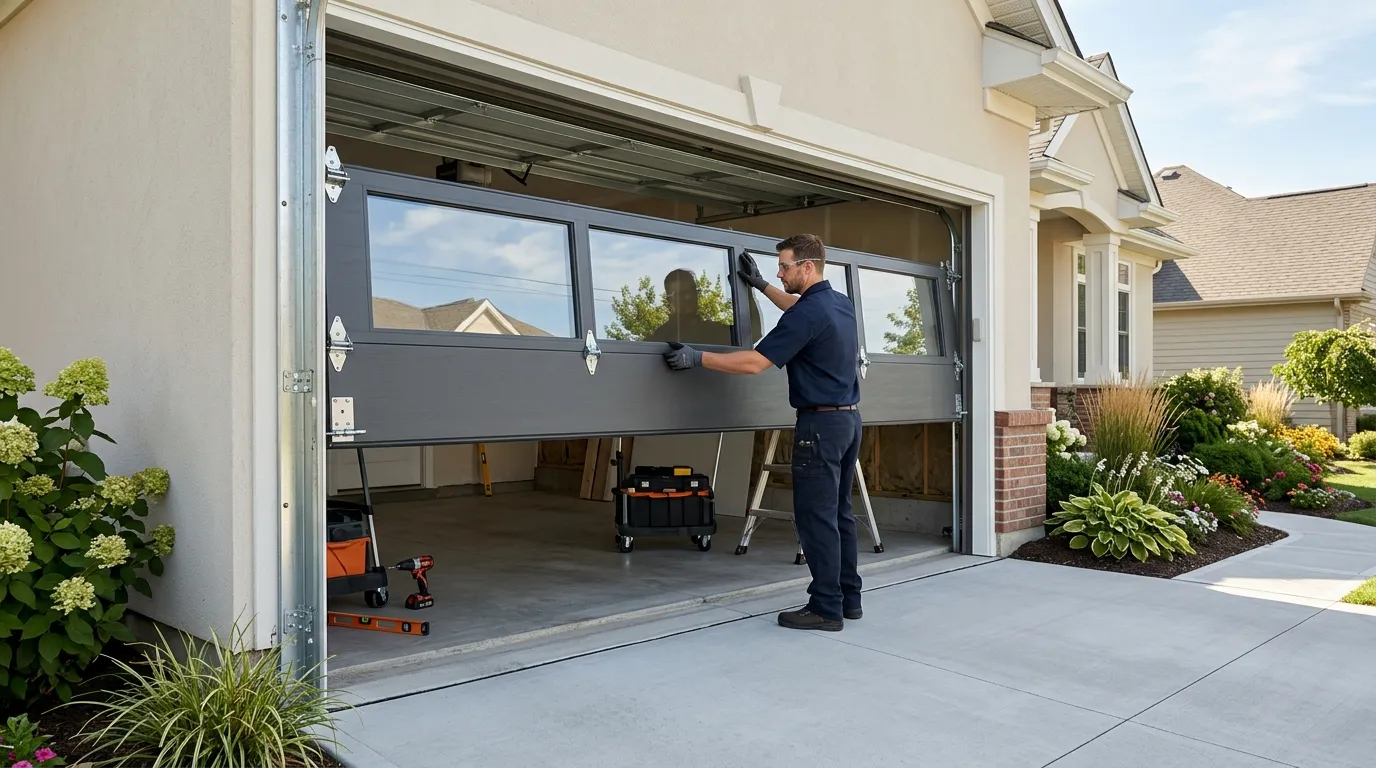
The median home in Venetian Village was built around 1971, which puts it noticeably earlier than the 1984 median across the wider service area. That matters more than it sounds like it should. A door and opener installed or replaced in the 1970s or 80s was built to a different standard than what goes in today - thinner steel, single-layer panels in a lot of cases, and torsion or extension spring setups sized for hardware that's since been discontinued. At a median household income of $91,786, most owners here are weighing a real repair-versus-replace decision rather than defaulting to a full swap, and we try to give them an honest answer on that instead of pushing new steel where a spring and a service call will do.
How That Shows Up in the Door
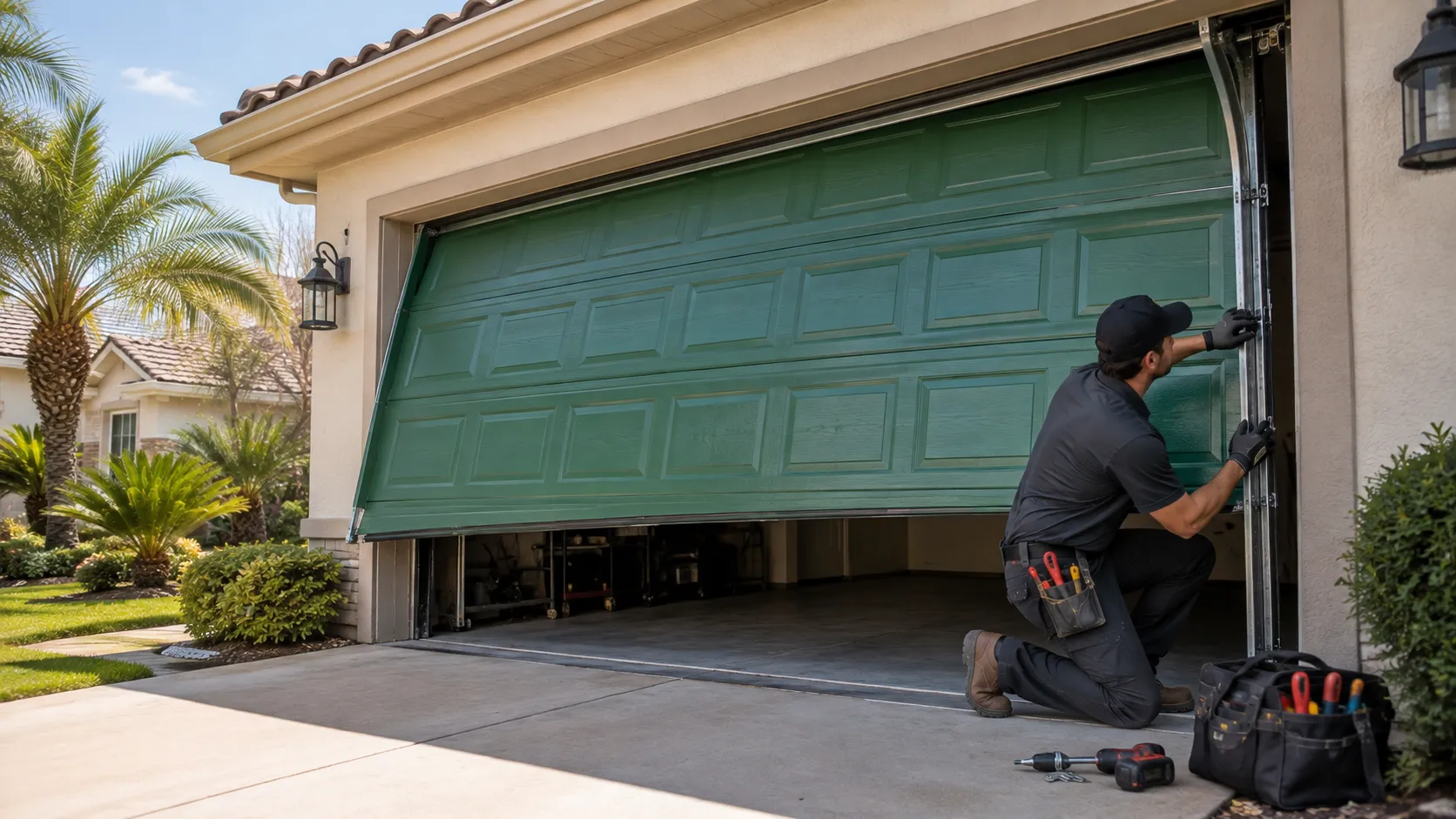
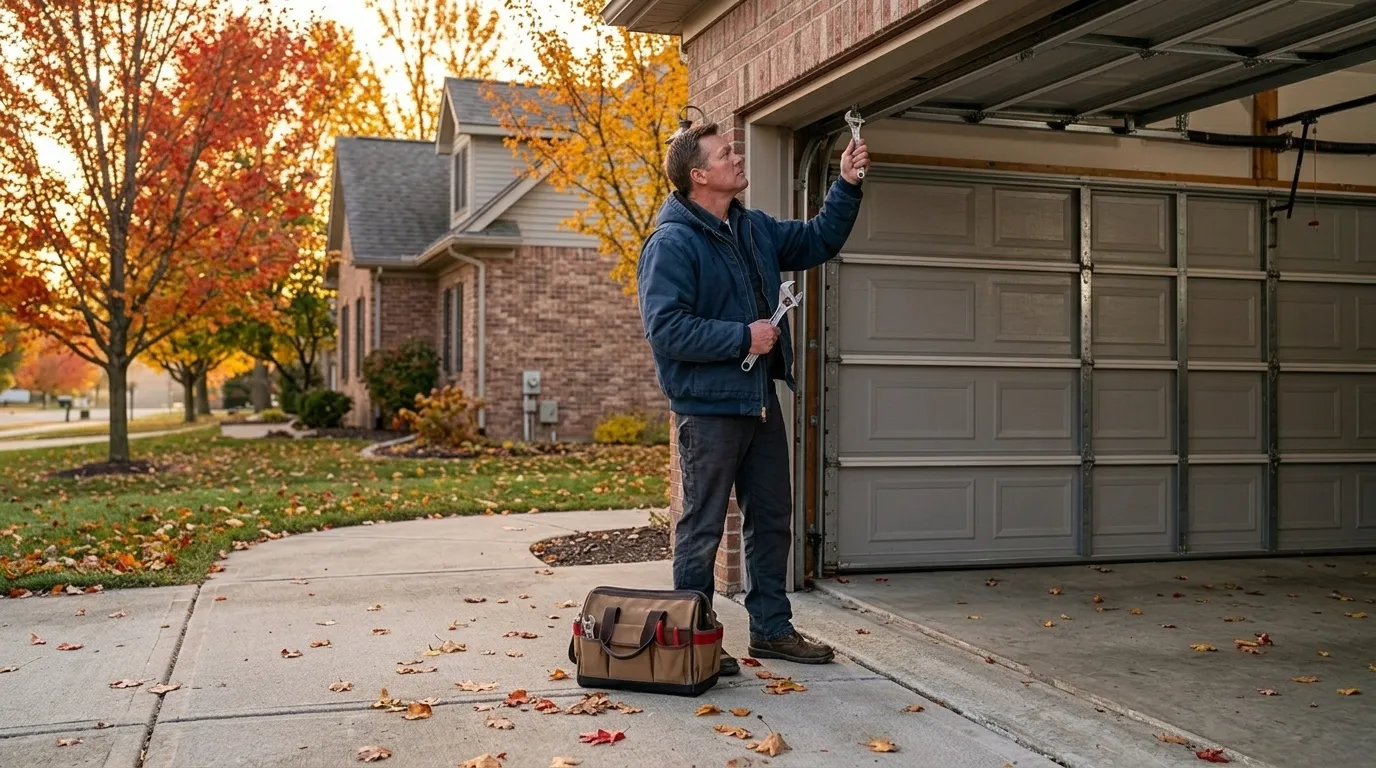
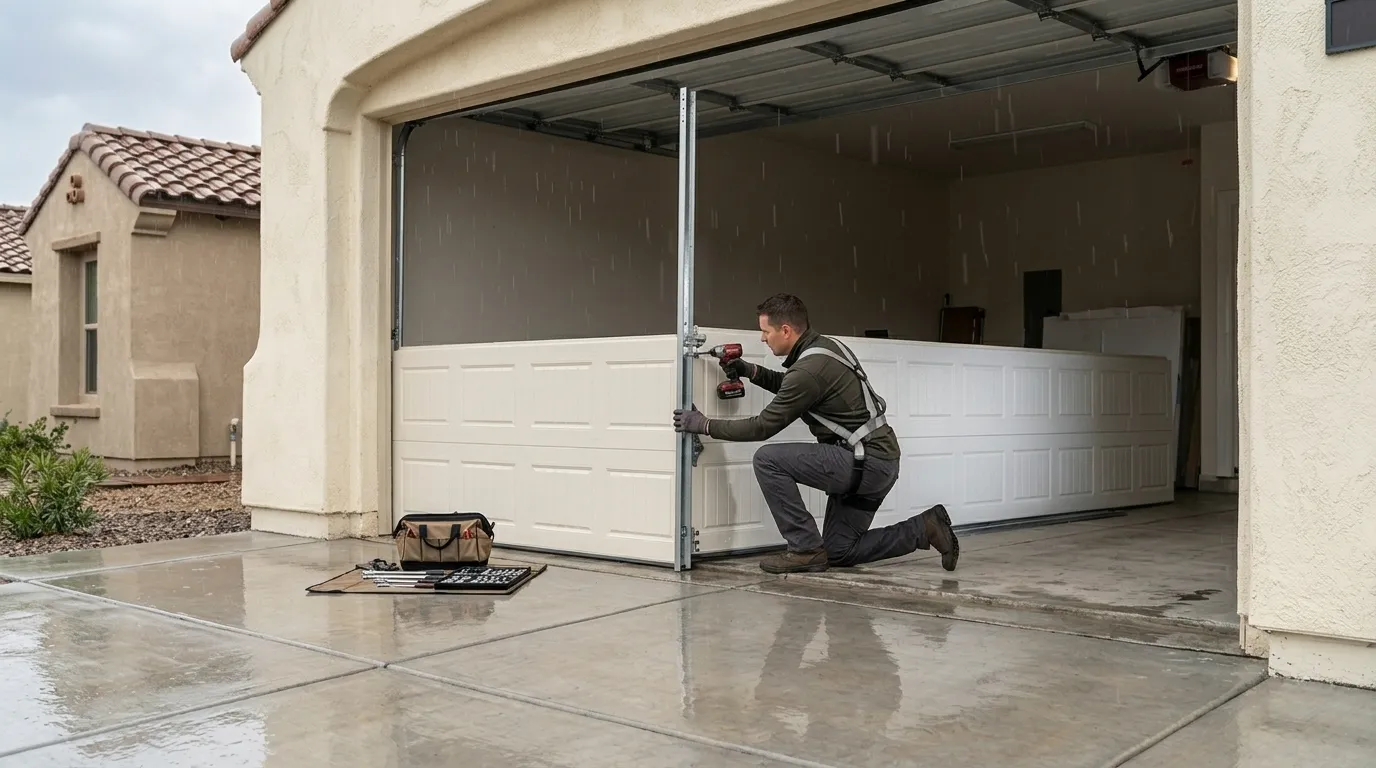
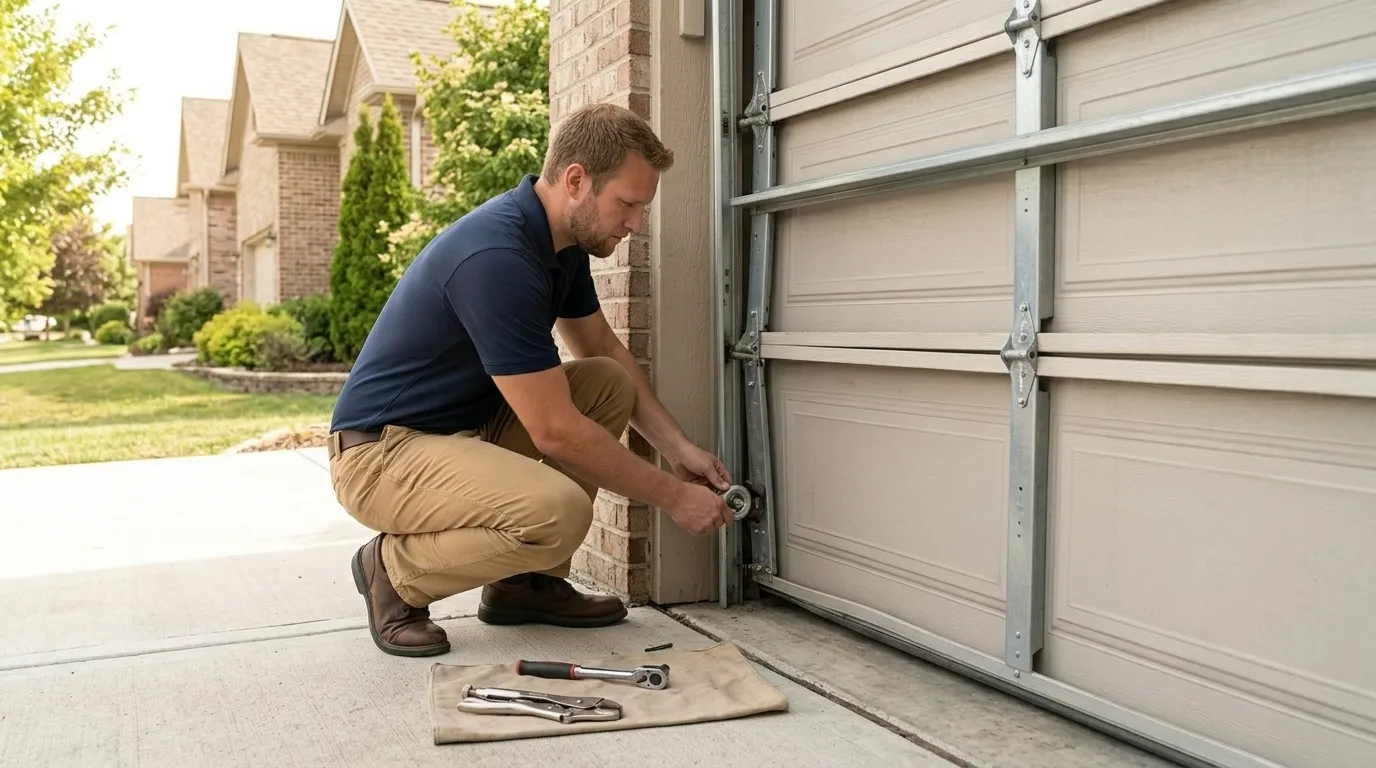
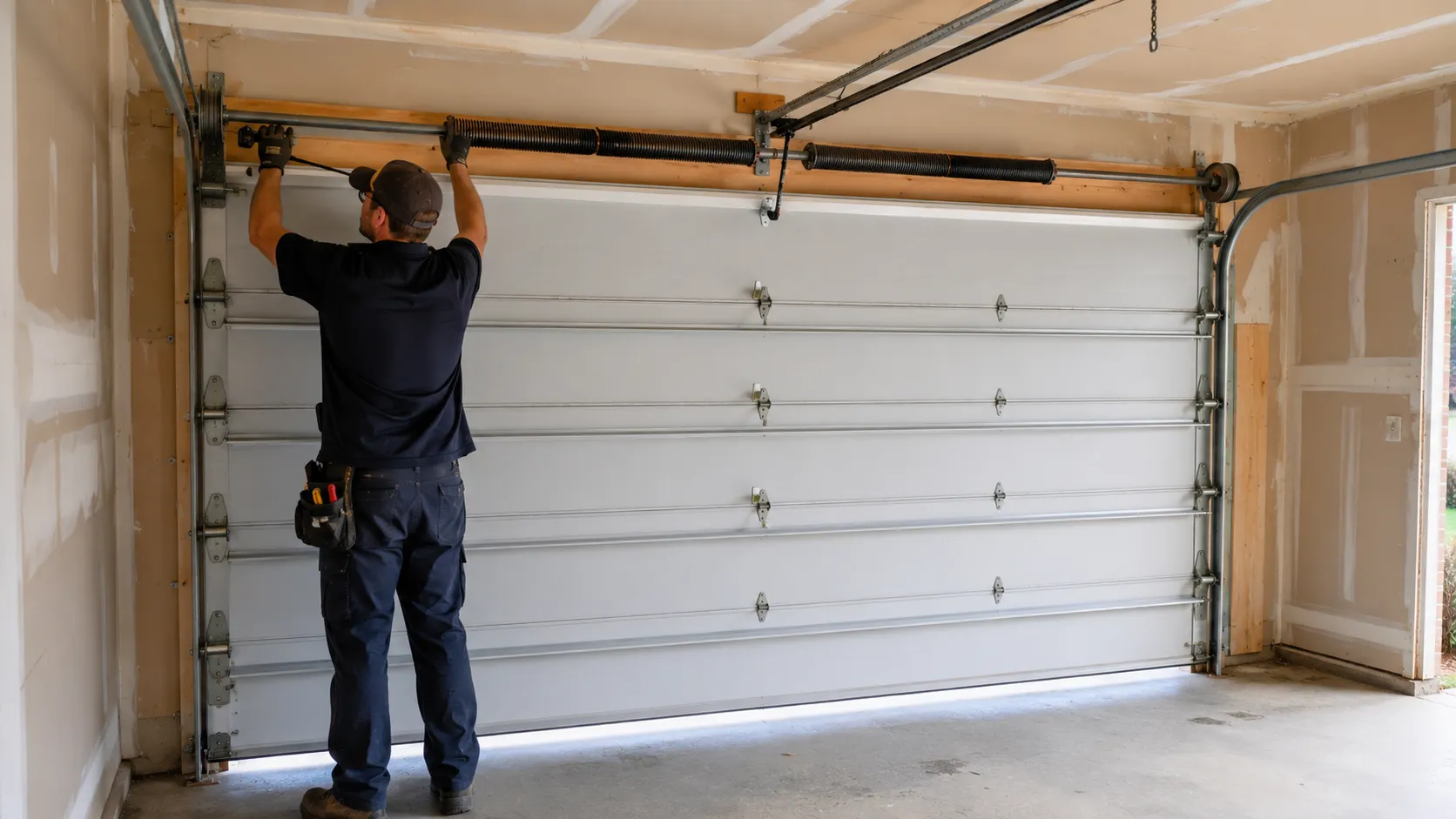
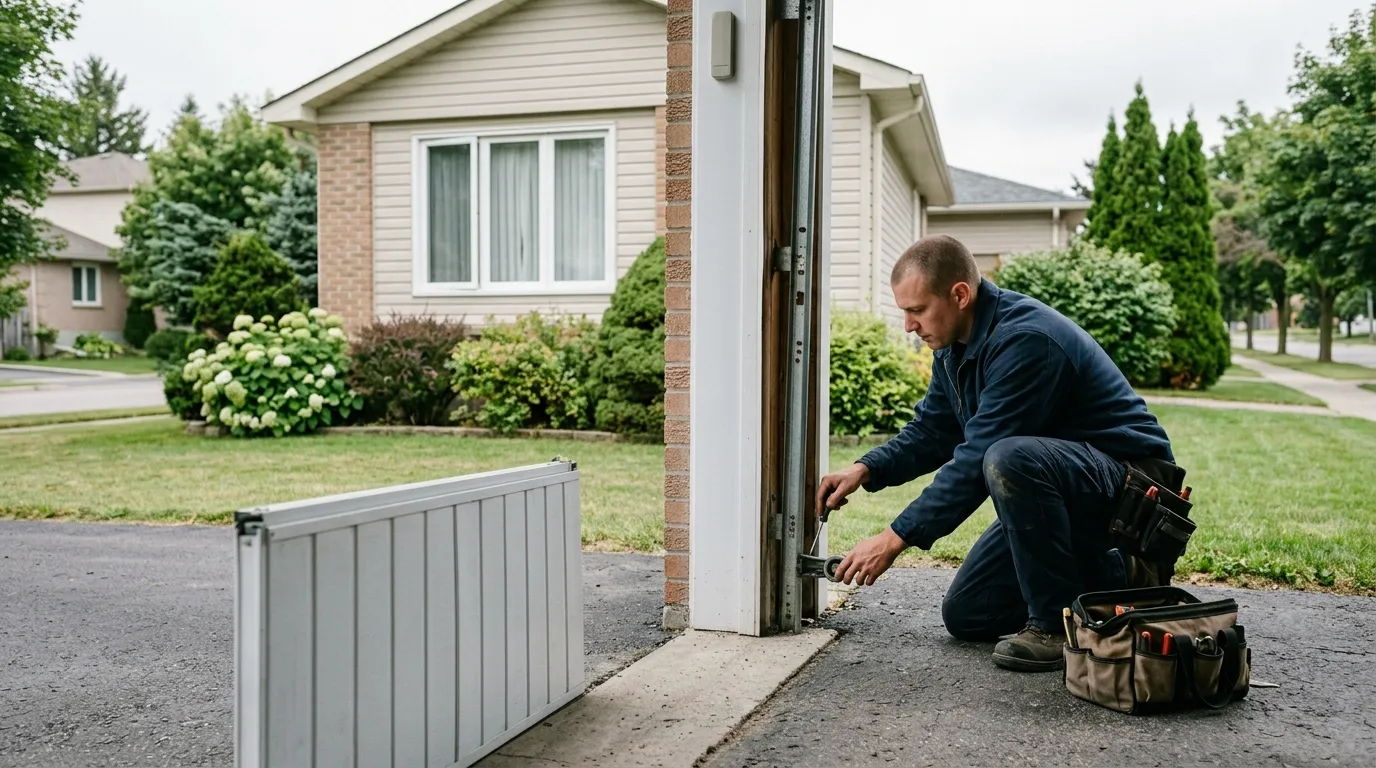
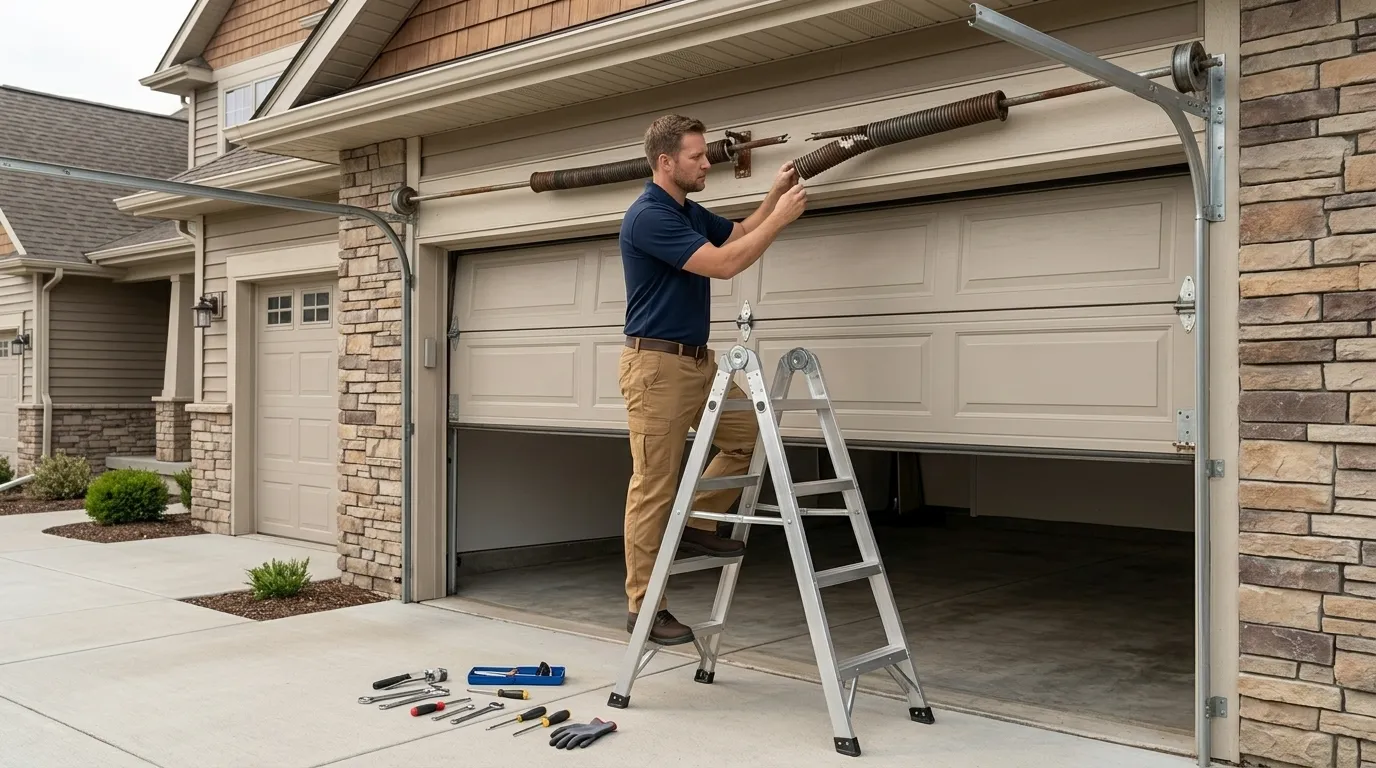
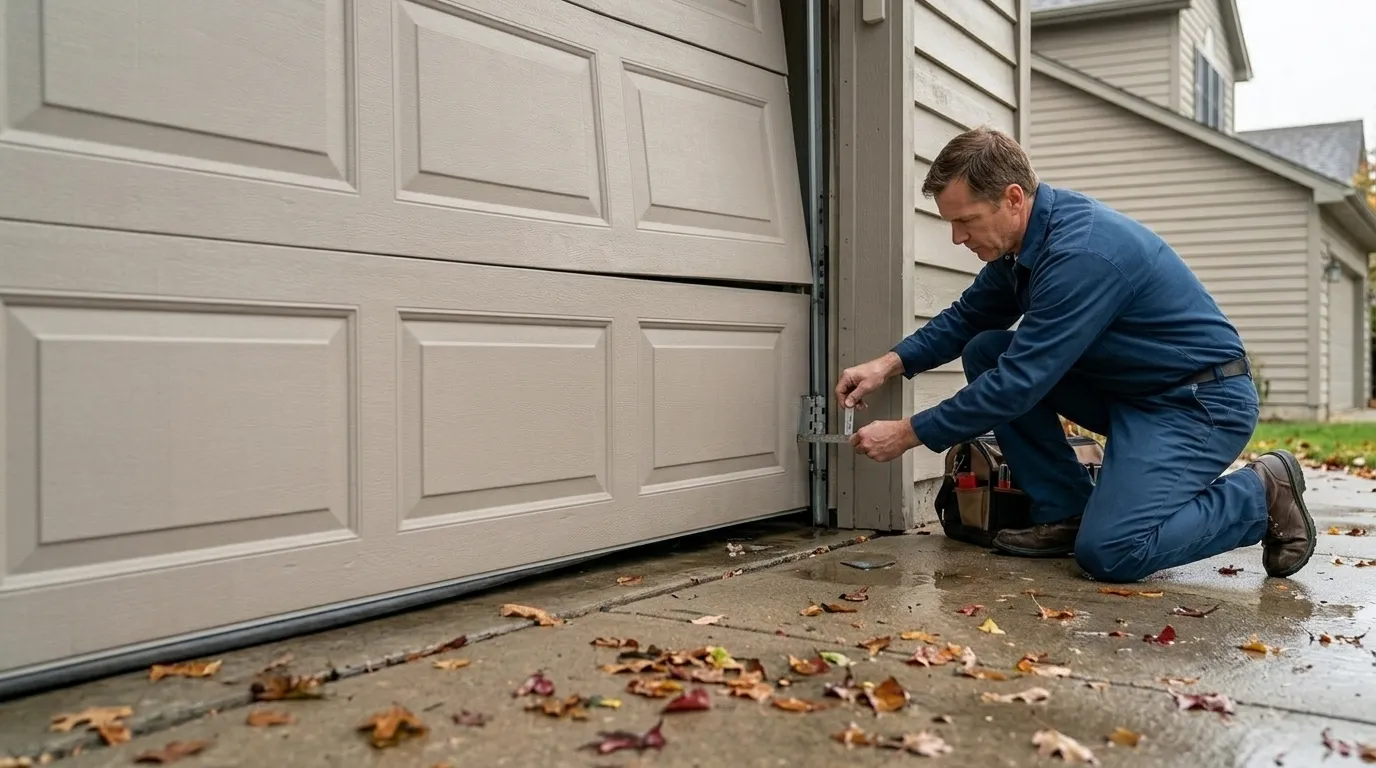
Older stock plus a cold, severe winter climate is a specific combination. Steel contracts hard in sustained cold, and on a door frame that's fifty-plus years old, the tolerances that were fine in July get tight in January - tracks bind, rollers bind harder, and a spring that was already fatigued snaps on the first cold morning it has to lift a door that's stiffer than usual. We see more broken springs and off-track doors here in the deep-winter months than at any other time. One honest limitation: on some of the oldest openers we run into, replacement parts are no longer made, and once a board or gear set fails, the more sensible move is a new opener rather than chasing obsolete parts.