This Area's Housing
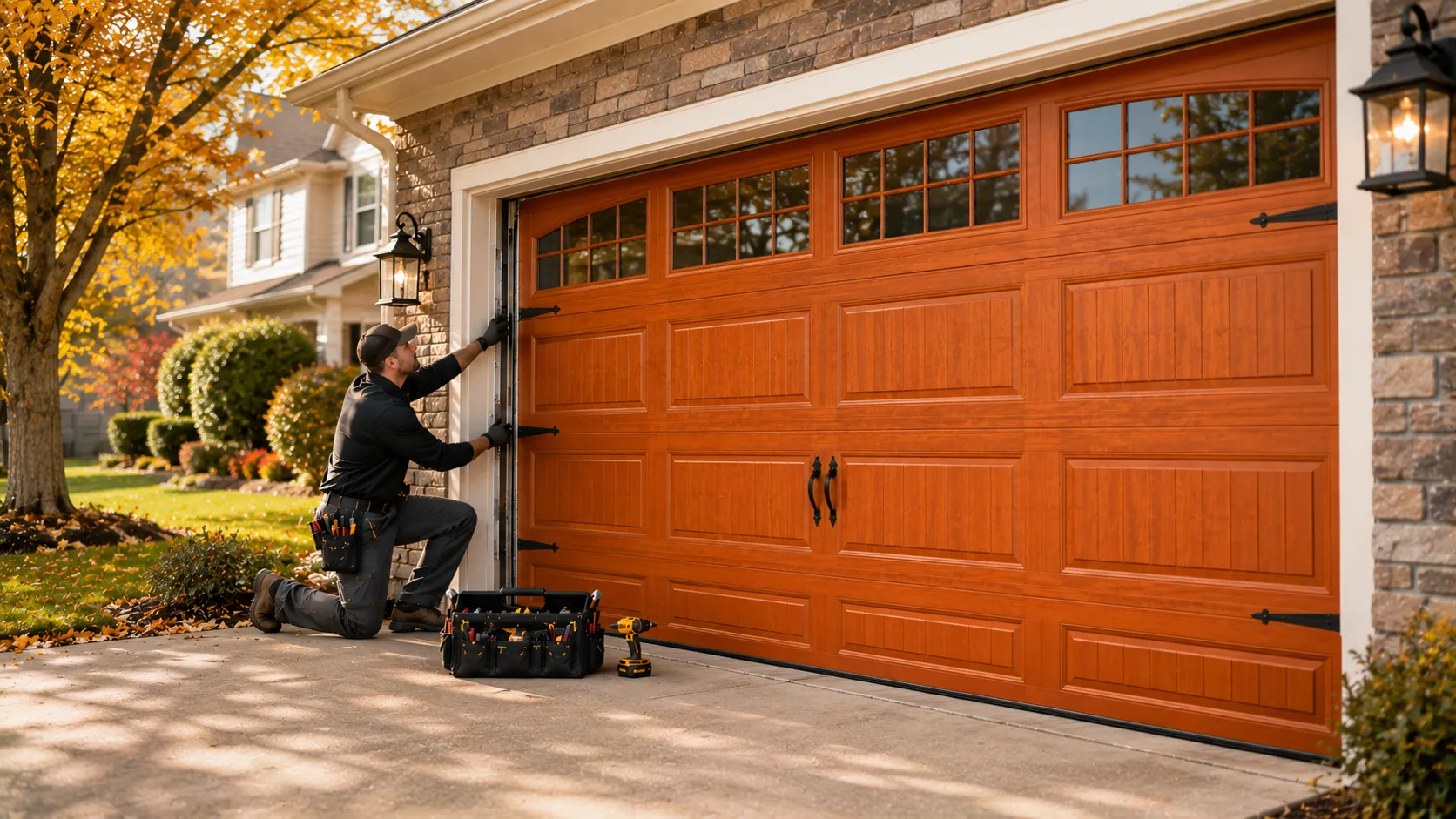
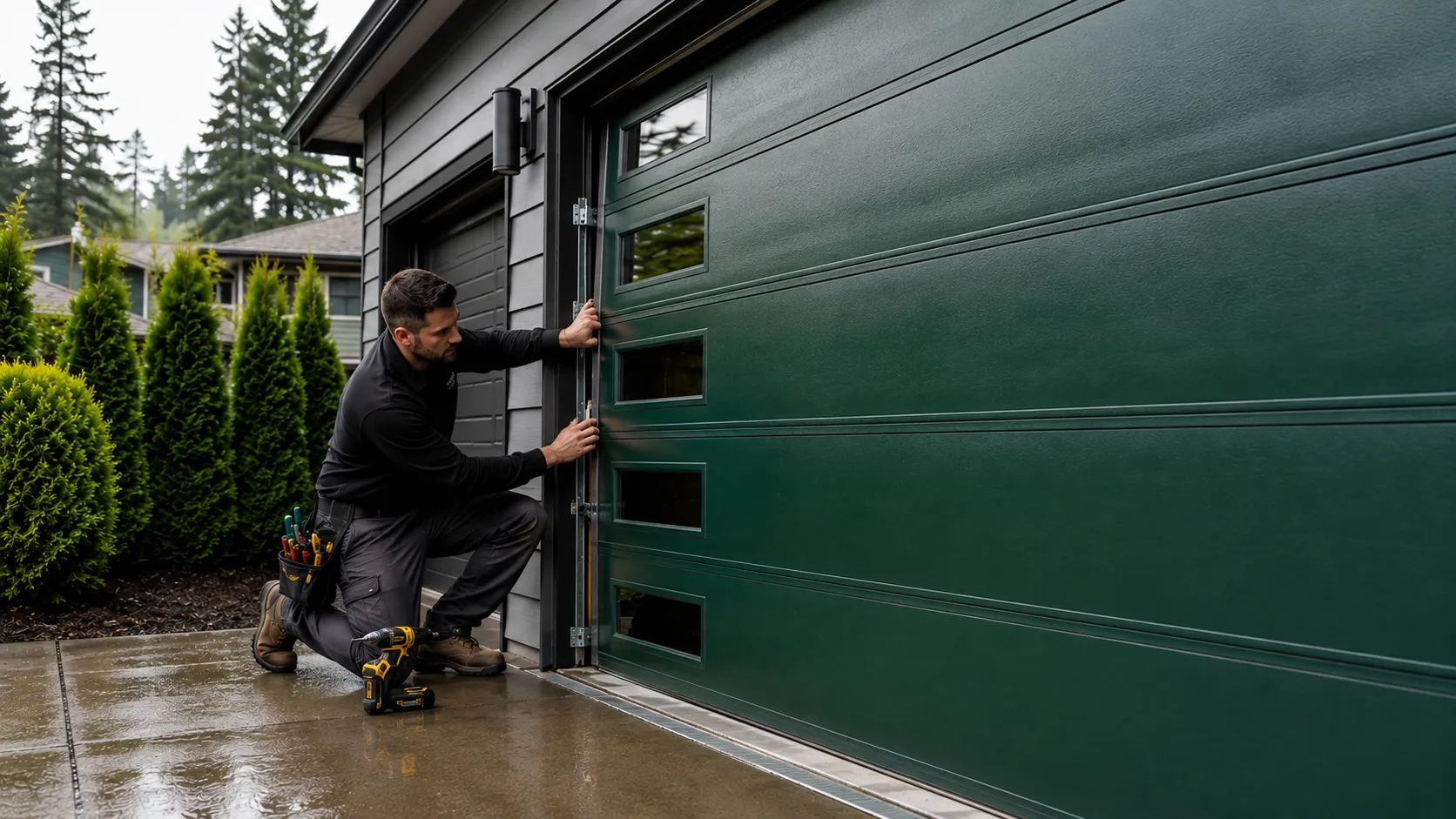
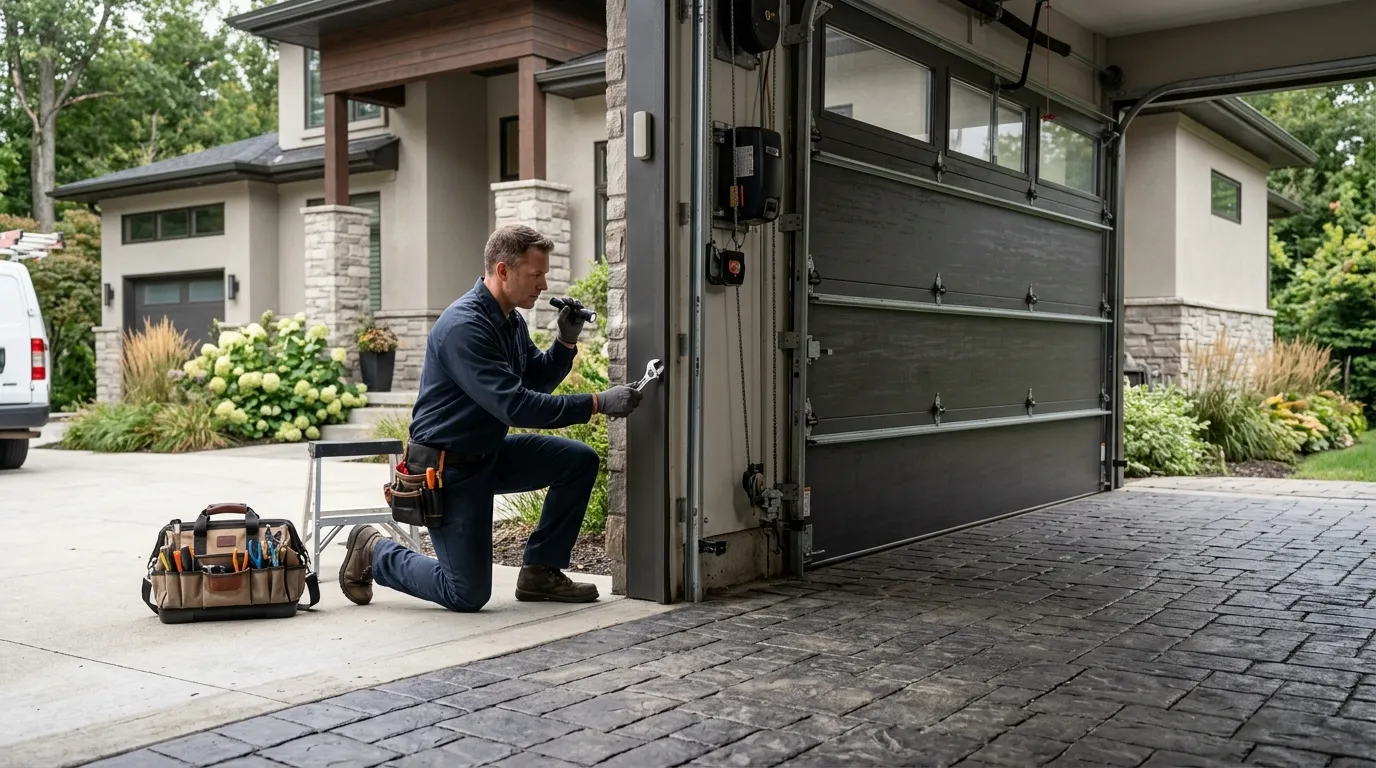
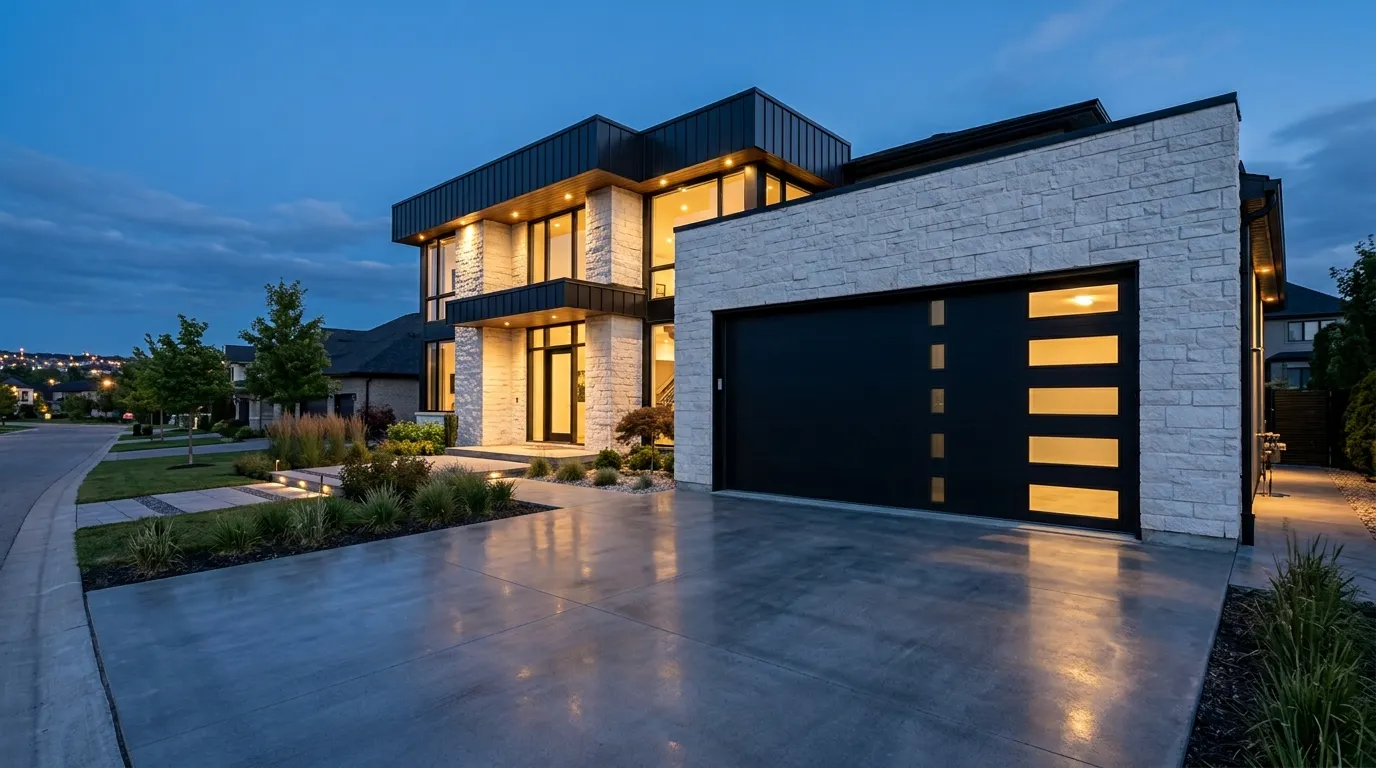
With roughly 2,249 households and a median income near $145,906, Volo sits at the newer, higher-income end of what we cover. Newer construction here generally means insulated steel doors instead of the older single-layer panels you'd find in a 1960s build, and openers wired to code standards that weren't in place decades ago. That's a real difference from the broader service area, where the median home dates to 1984 and a lot of original hardware is still hanging on.
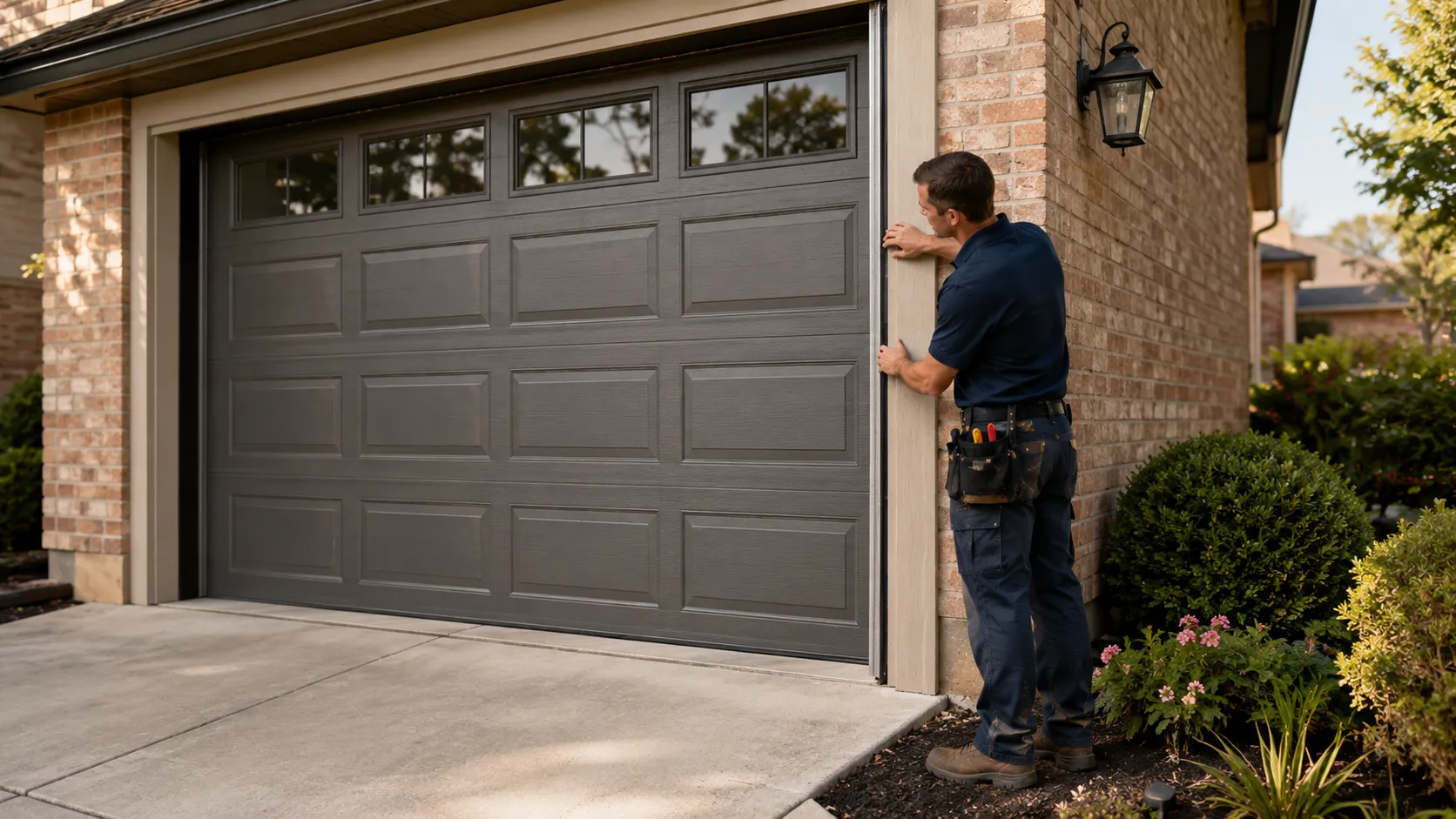
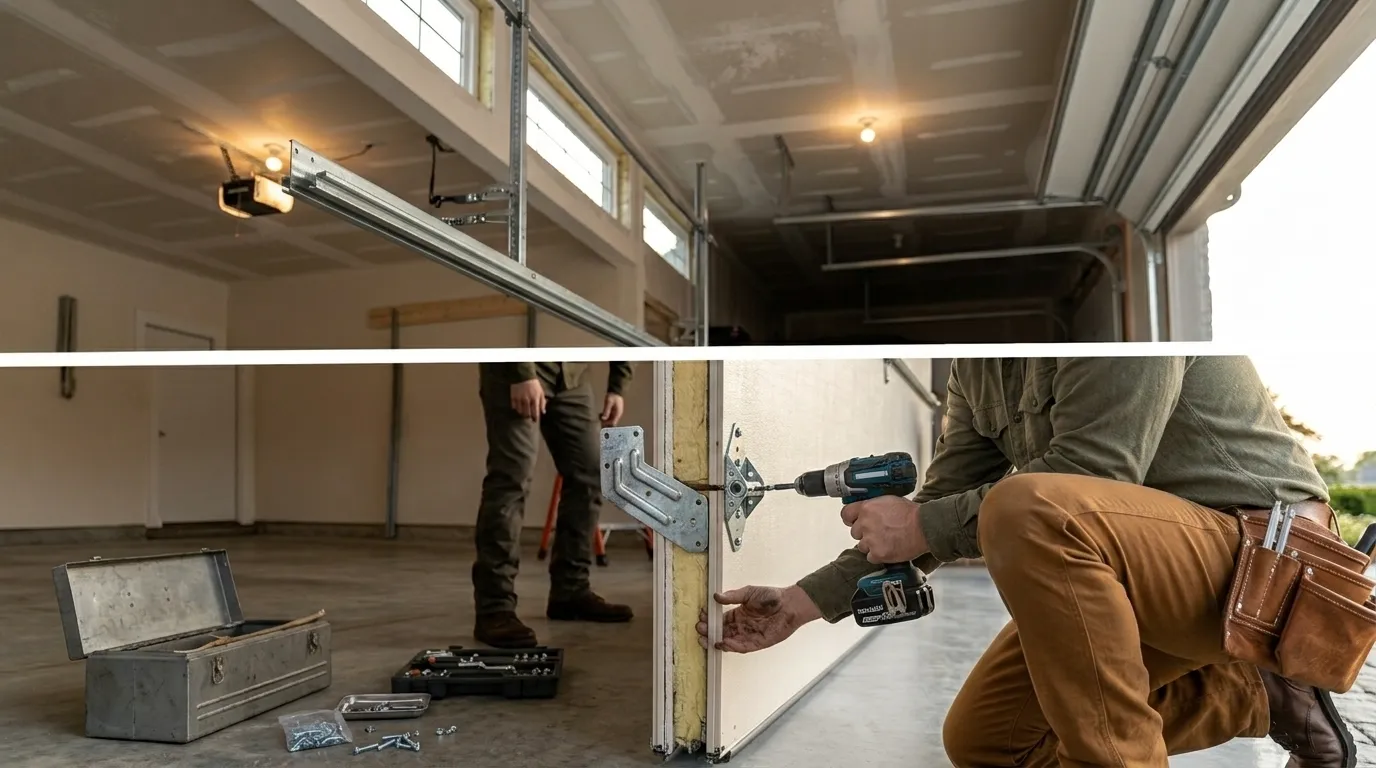
It also means fewer surprises when we pull a panel. Newer framing is square, newer track is set correctly, and we're not fighting decades of settling or a door that was never installed level in the first place. The tradeoff is that when something does fail on a newer door, it's more likely to be an electronic or opener-side problem than a structural one, which changes the diagnosis, not just the fix.
How That Shows Up in the Door
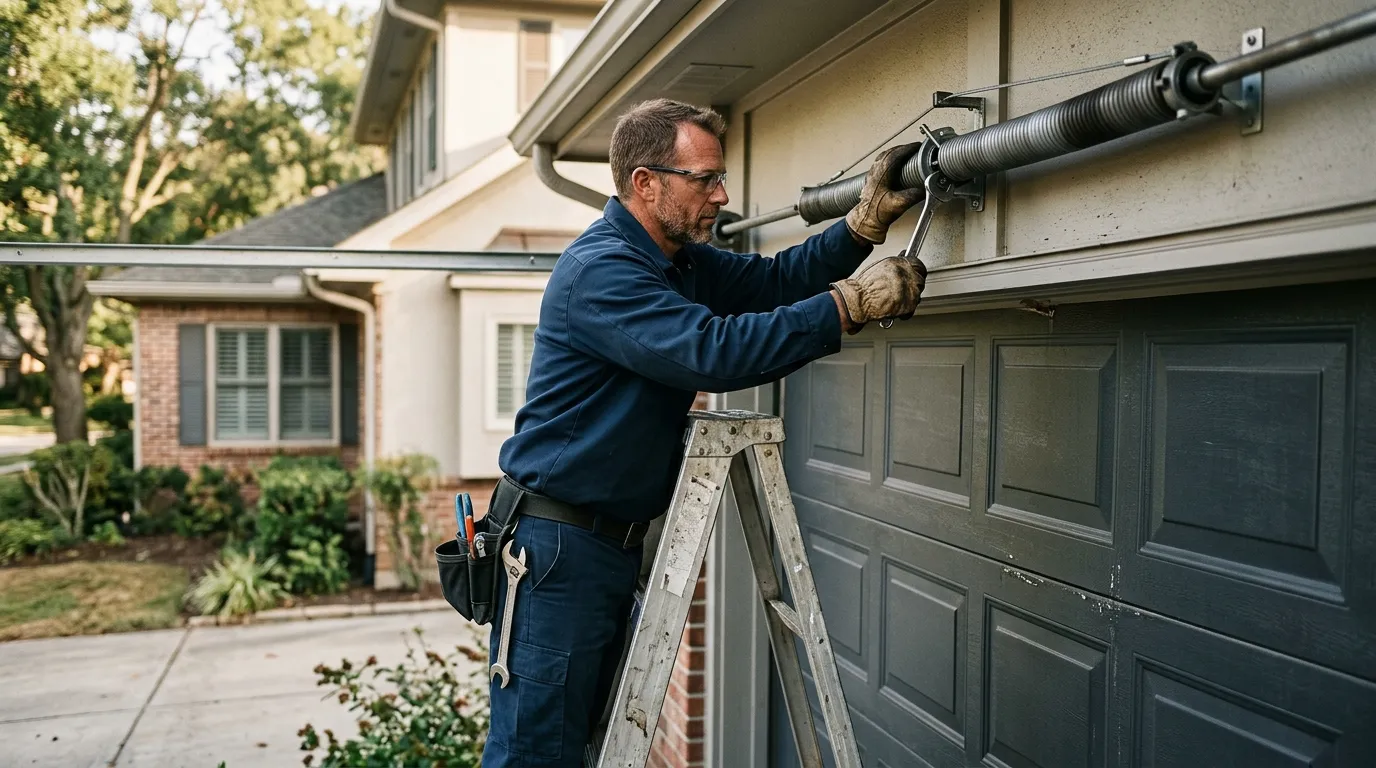
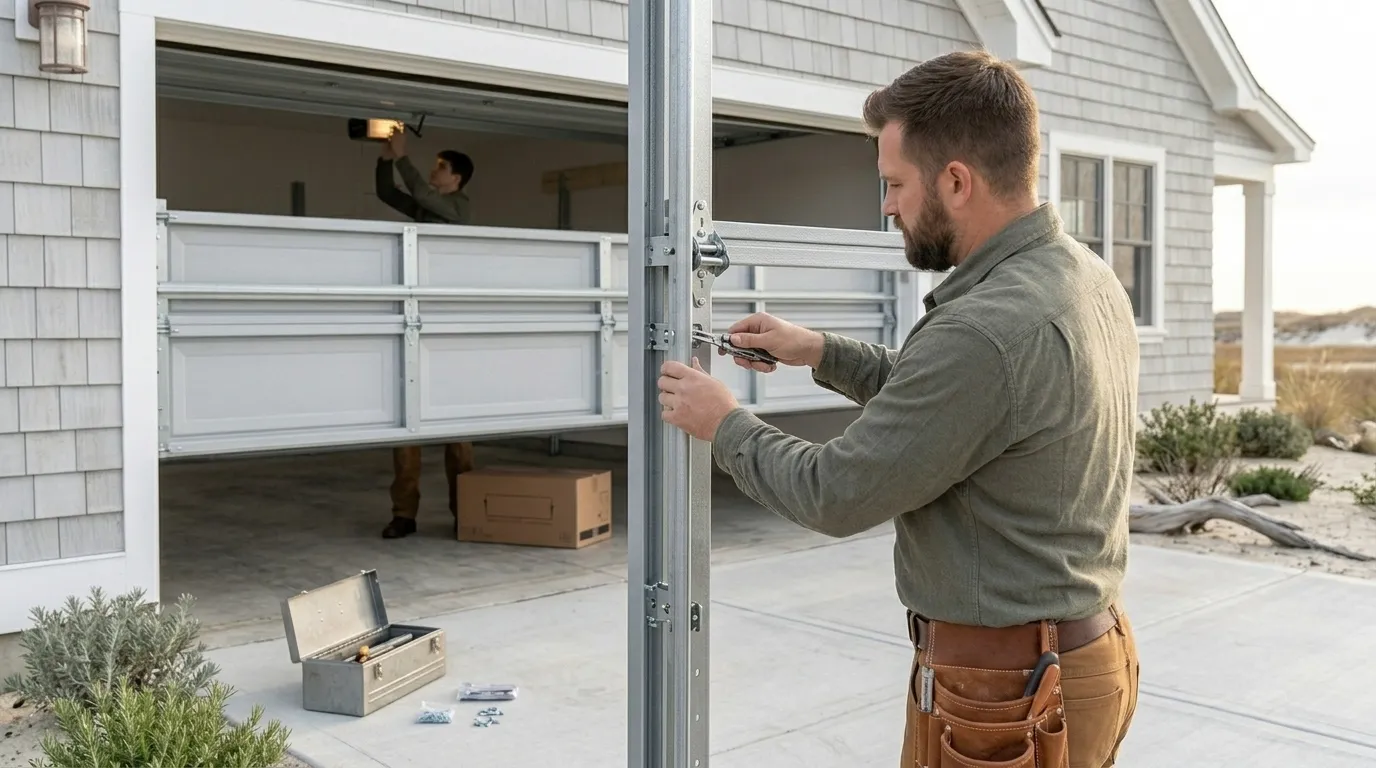
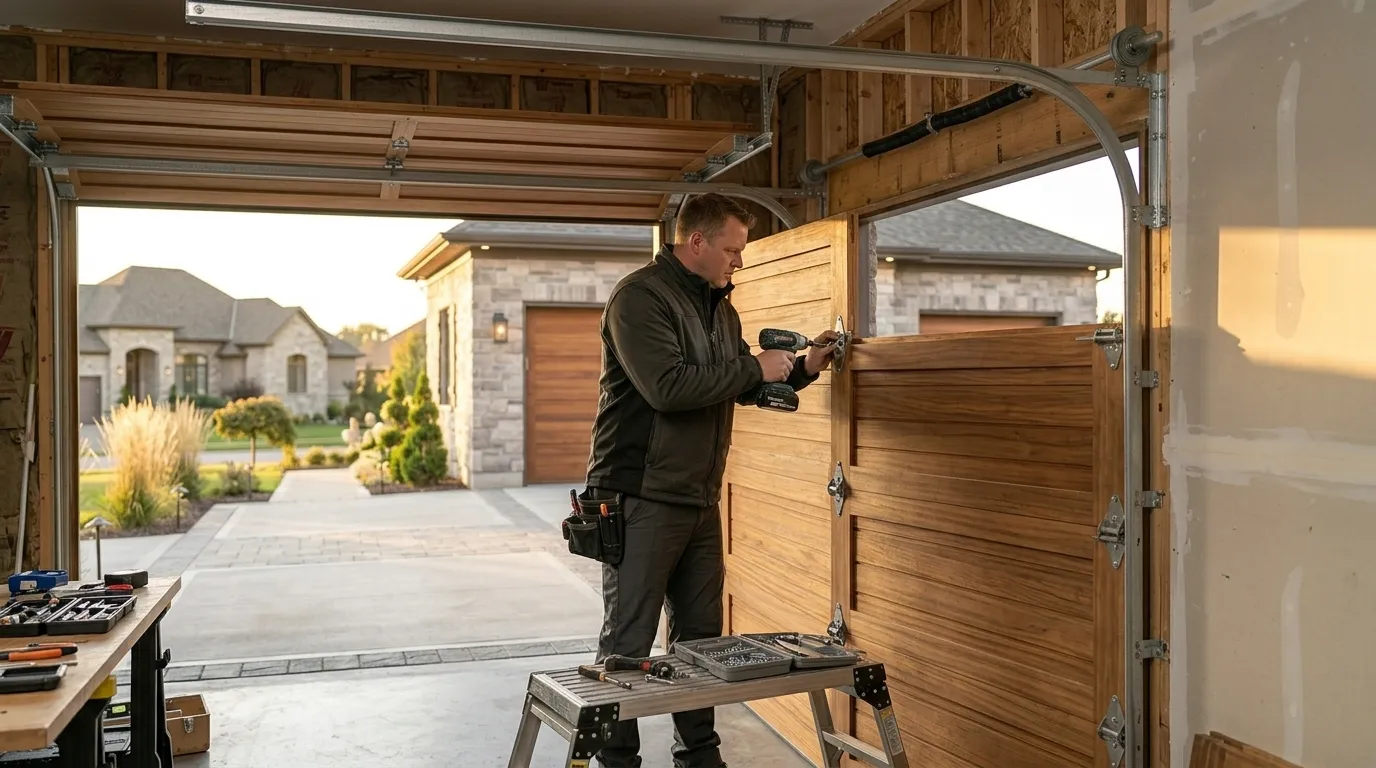
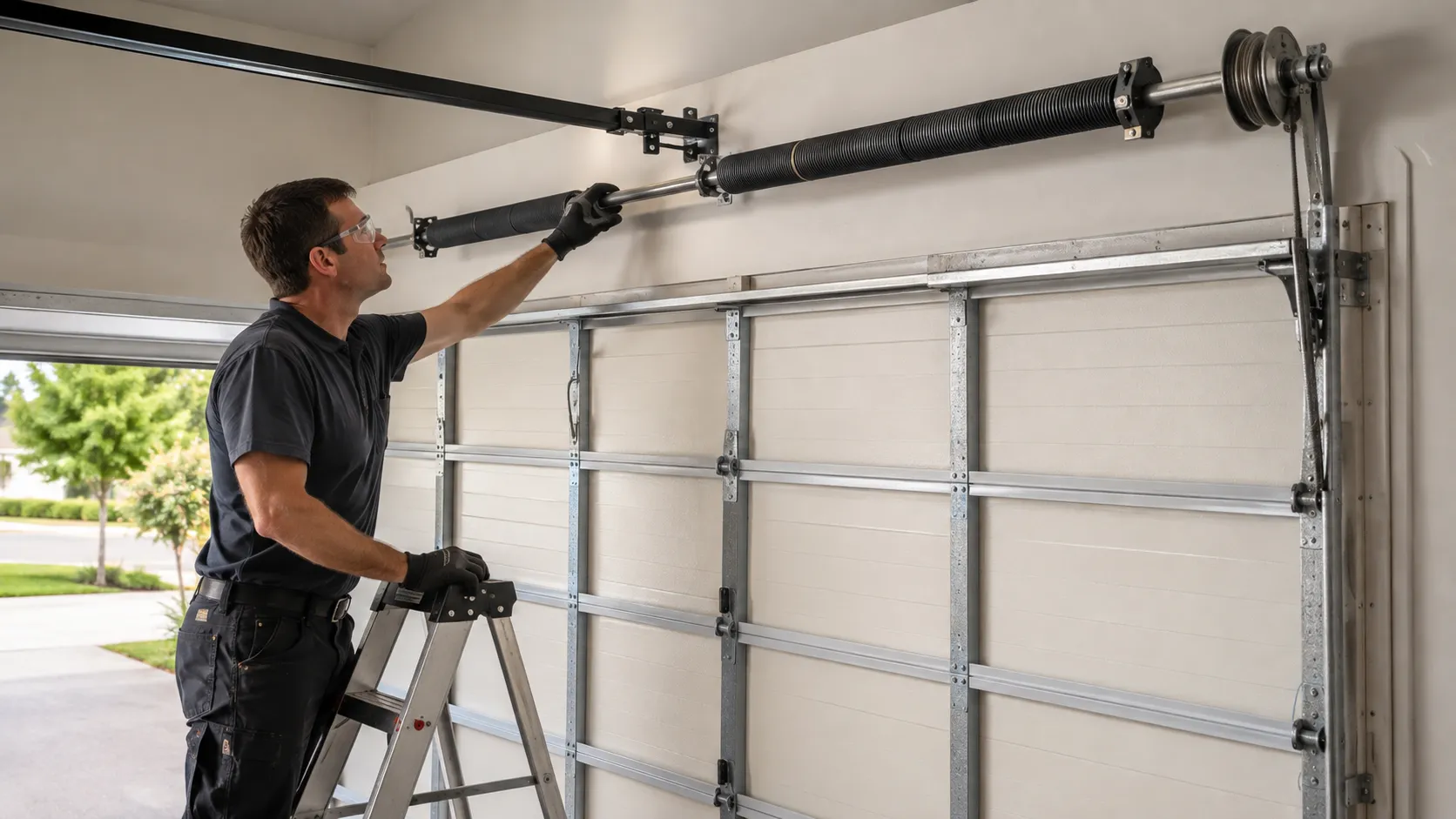
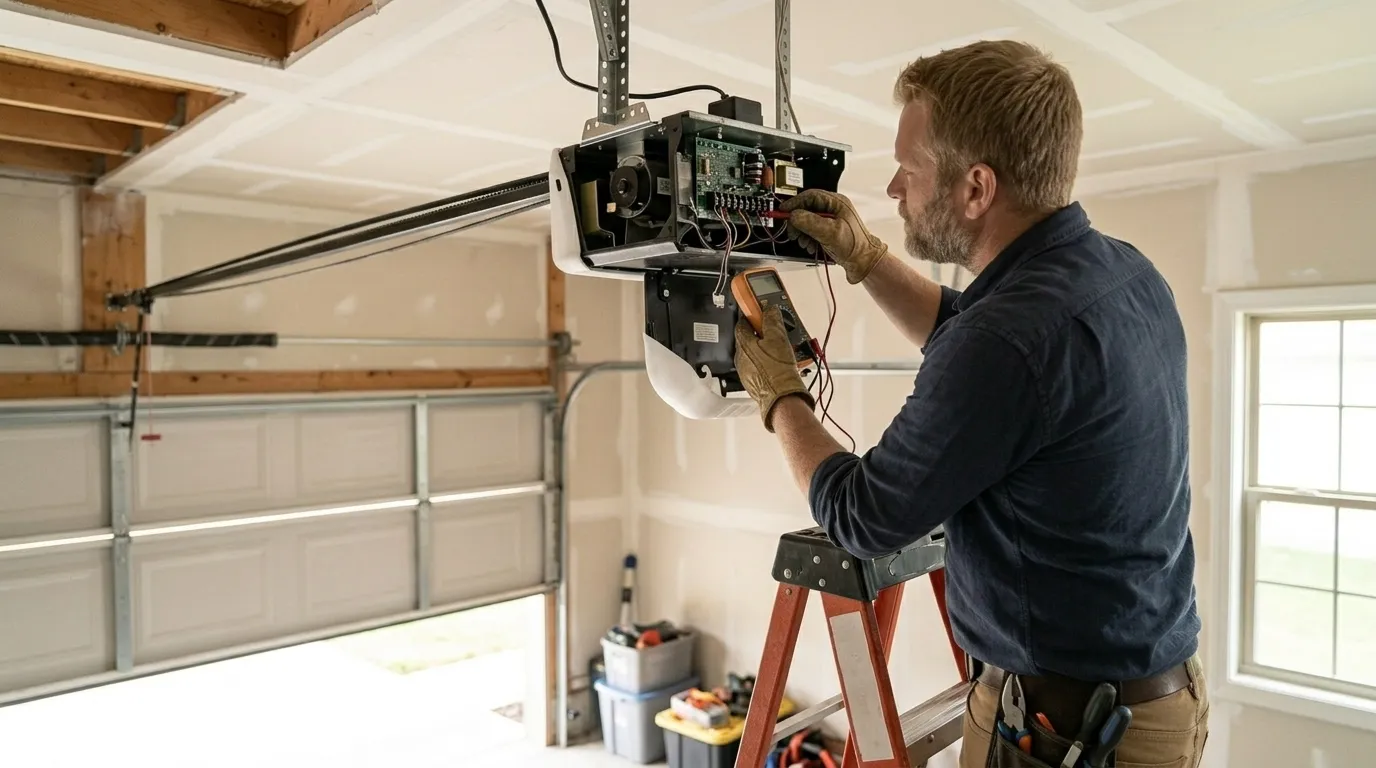
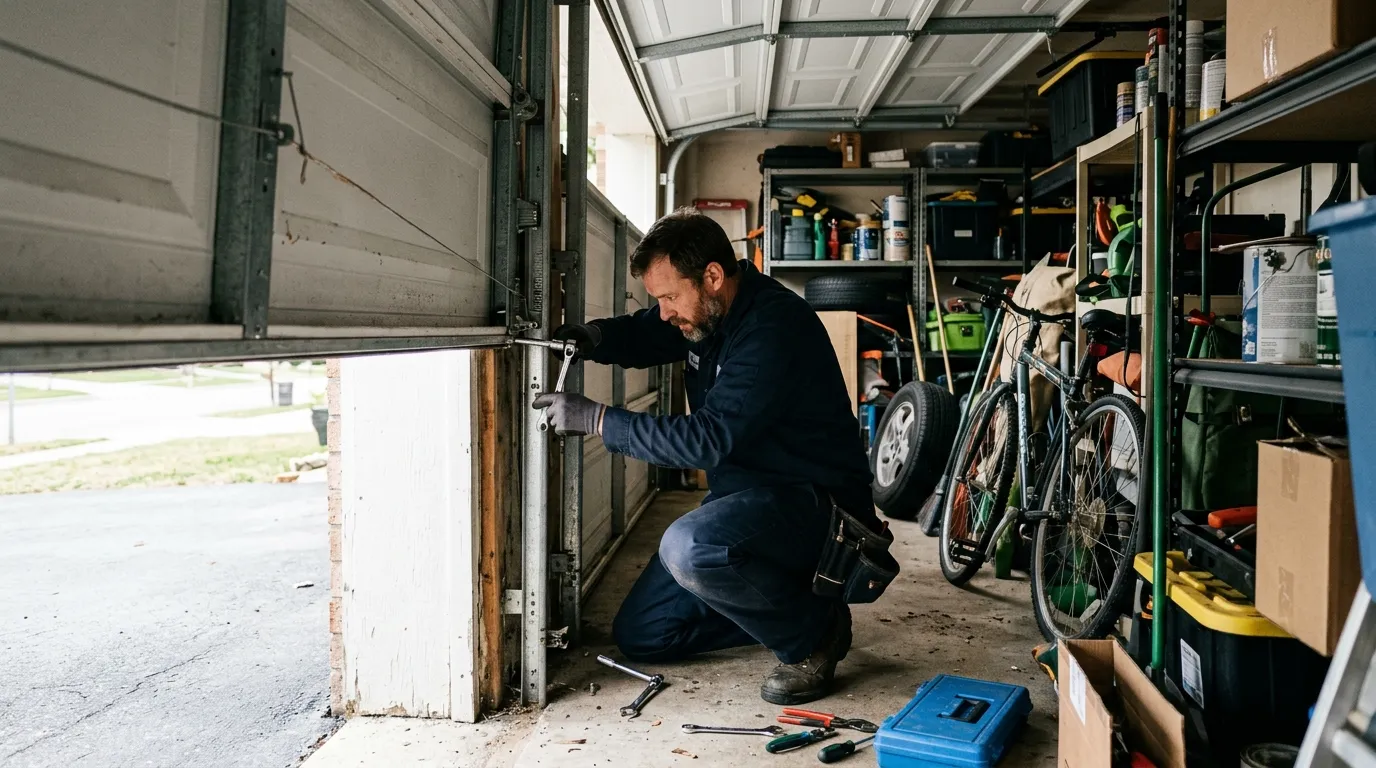
On a 2009-era build, the failures we actually see are opener boards, worn belt drive, misaligned photo-eye sensors, and springs that have simply run out their cycle count after a decade-plus of daily use. We don't typically find the brittle, undersized springs or the obsolete jackshaft hardware that shows up on the area's older housing.
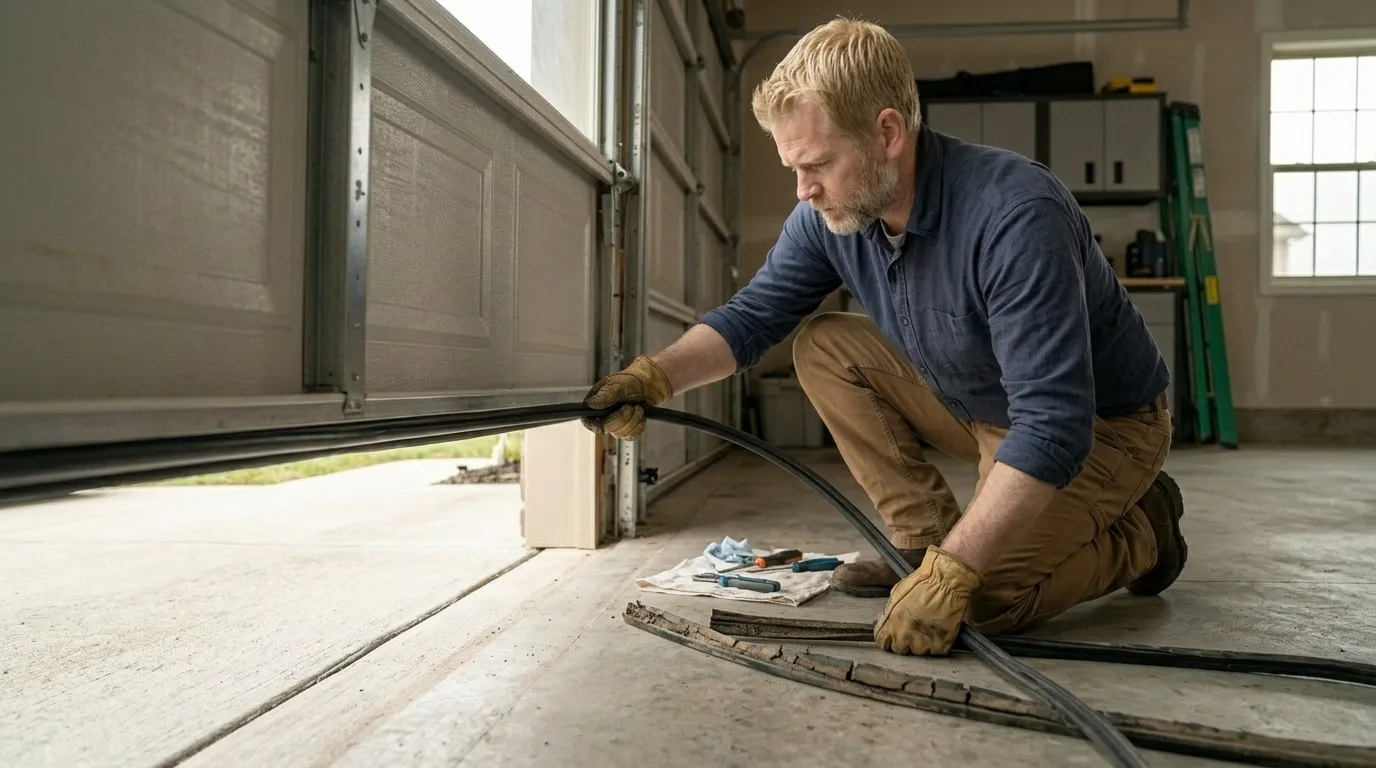
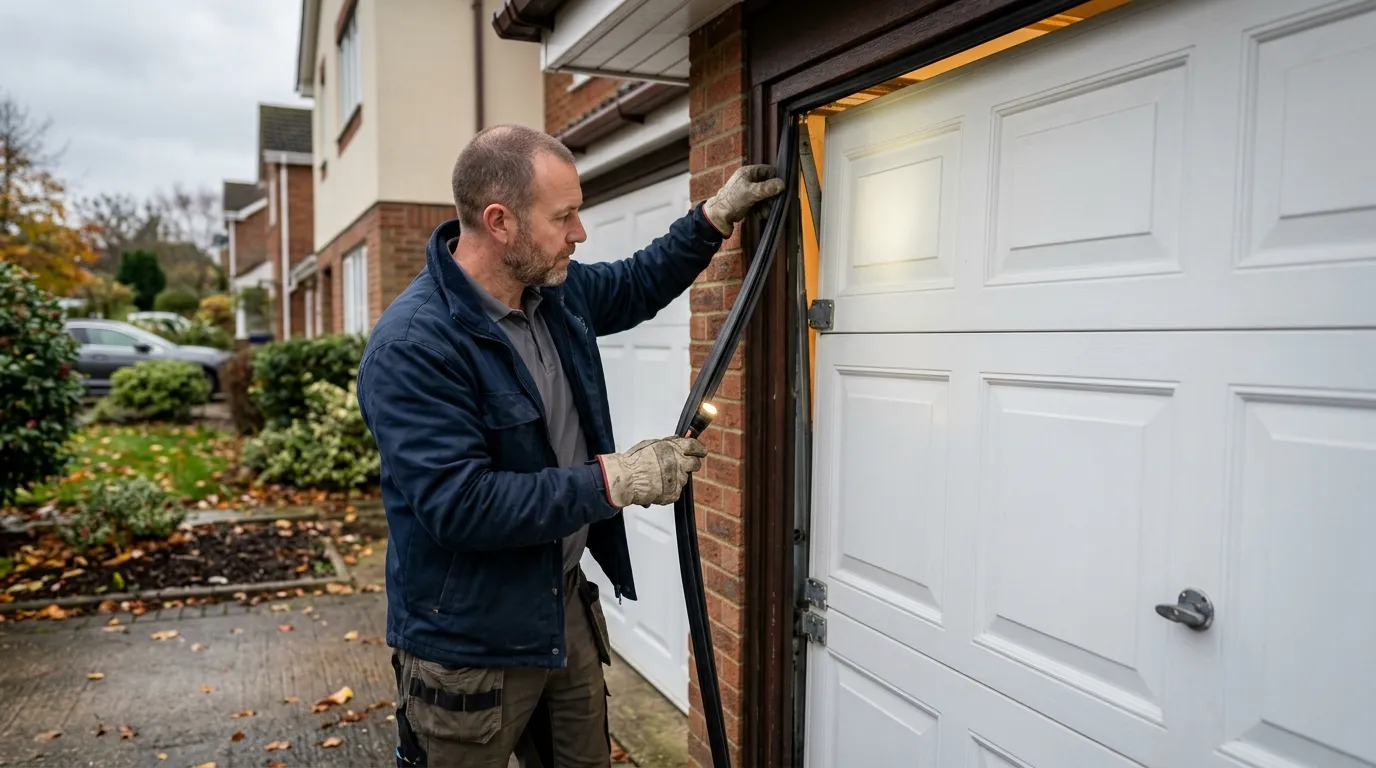
One honest limitation: if a garage was finished or modified after the original build, especially with added insulation or a converted room next to it, headroom and mounting clearance can end up nonstandard even in a newer house. We check that on-site before quoting a replacement, because a spring rated for one setup doesn't work safely on another. Cold-climate swings in this region also mean lubricant thickens and metal contracts in deep cold, which is often what pushes a marginal roller or hinge to finally fail in winter rather than fall.