This Area's Housing
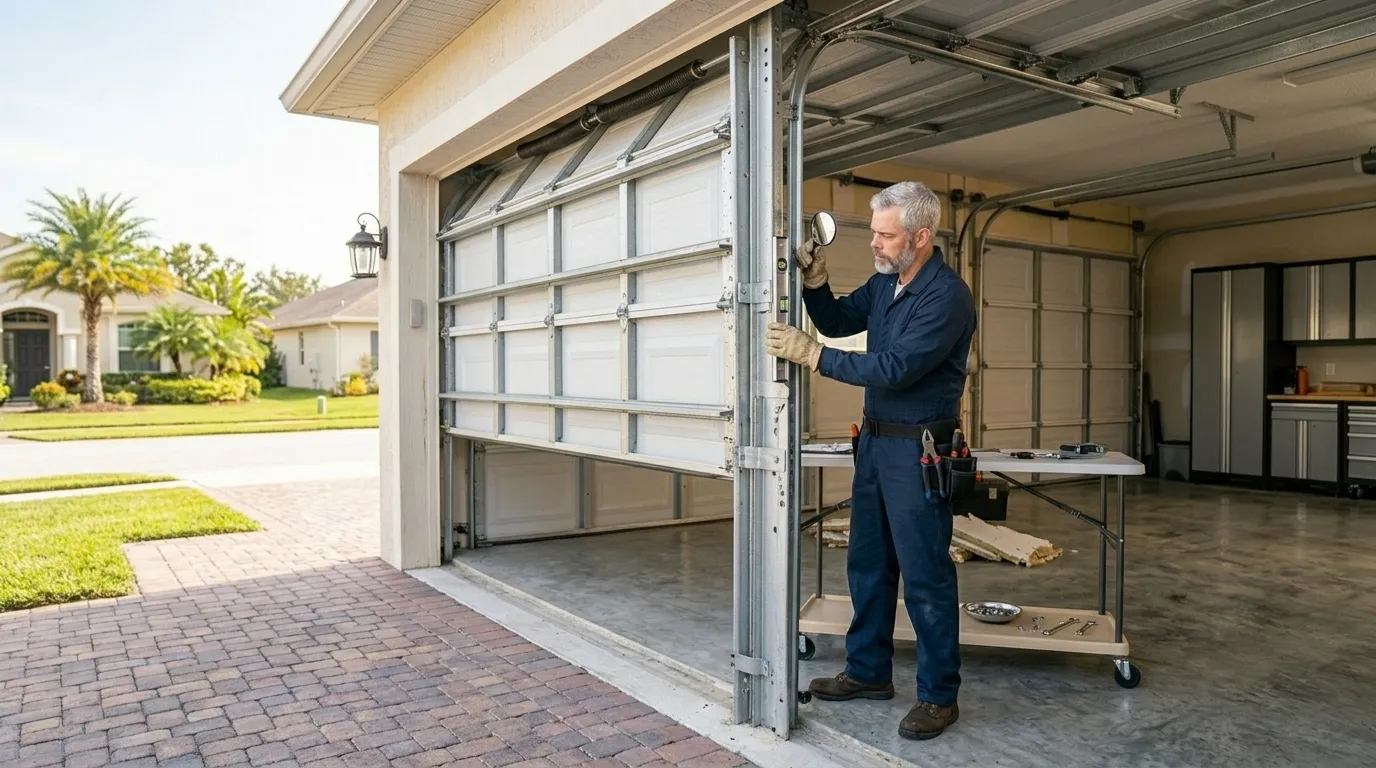
The median home here was built around 1990, which puts Wauconda a few years ahead of the wider service area's 1984 median. That six-year gap matters more than it sounds like it should. Houses from this stretch of the late 80s and early 90s were mostly built with steel sectional doors on extension springs or early torsion setups, not the older side-mounted torsion hardware you'd find on a house from the 60s or 70s. At a household median income of $112,438, most owners here are replacing worn-out original equipment rather than fixing something patched together twice already - the doors are old enough to fail, not old enough to be irreplaceable antiques.
How That Shows Up in the Door
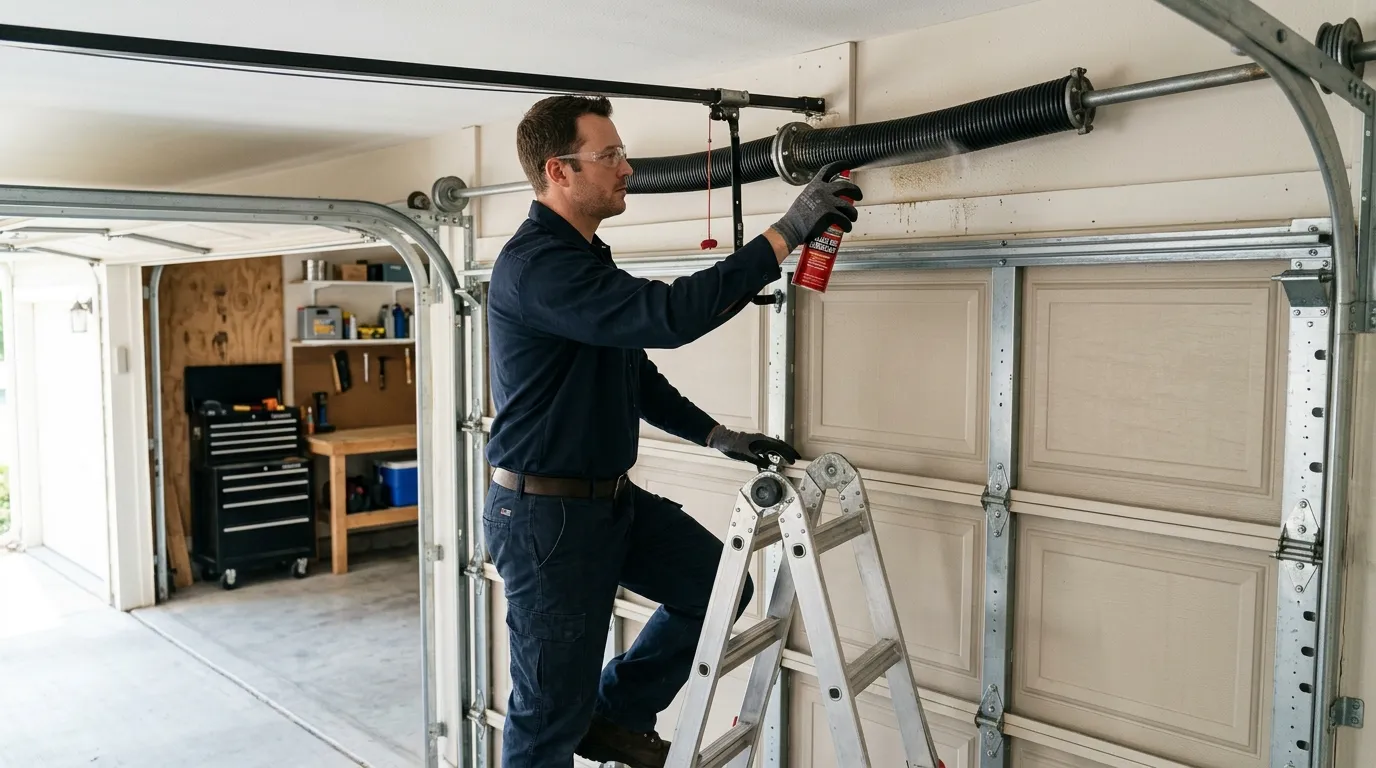
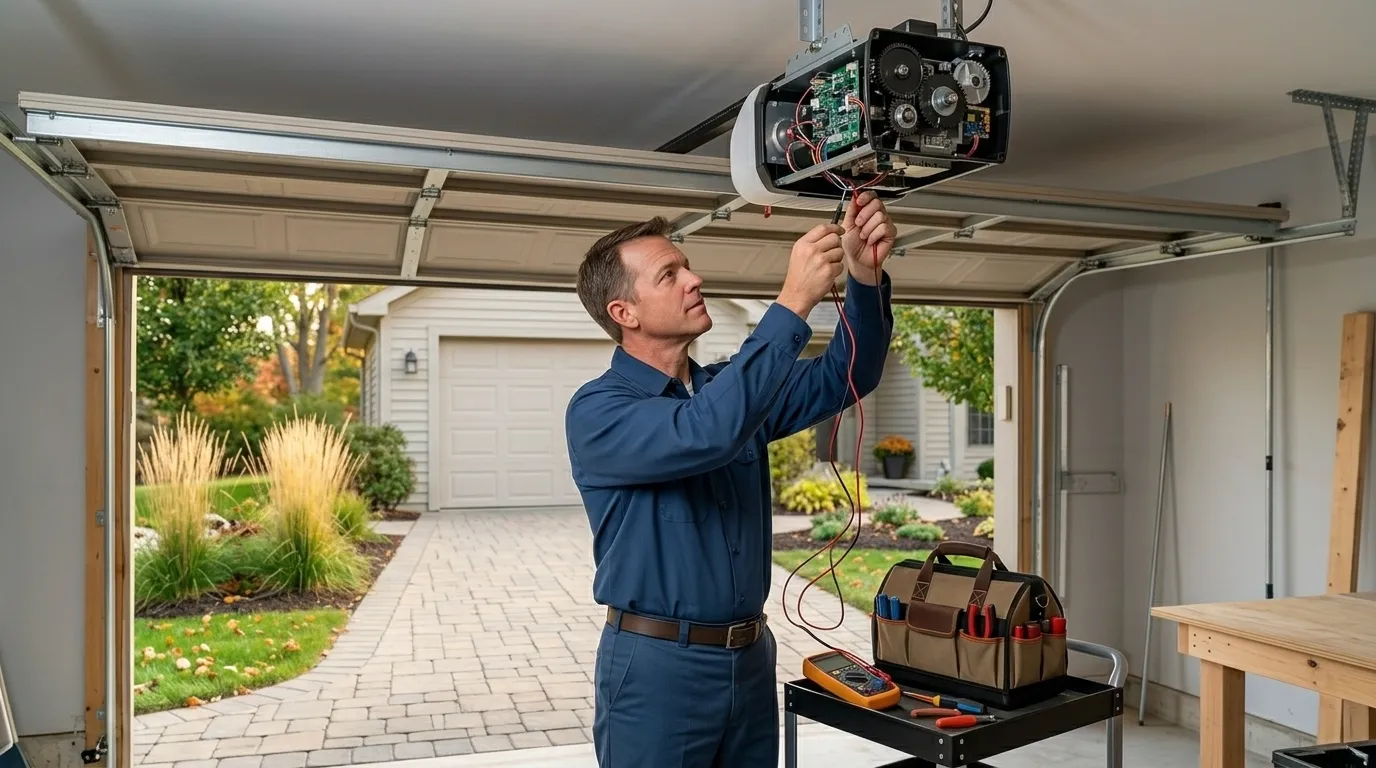
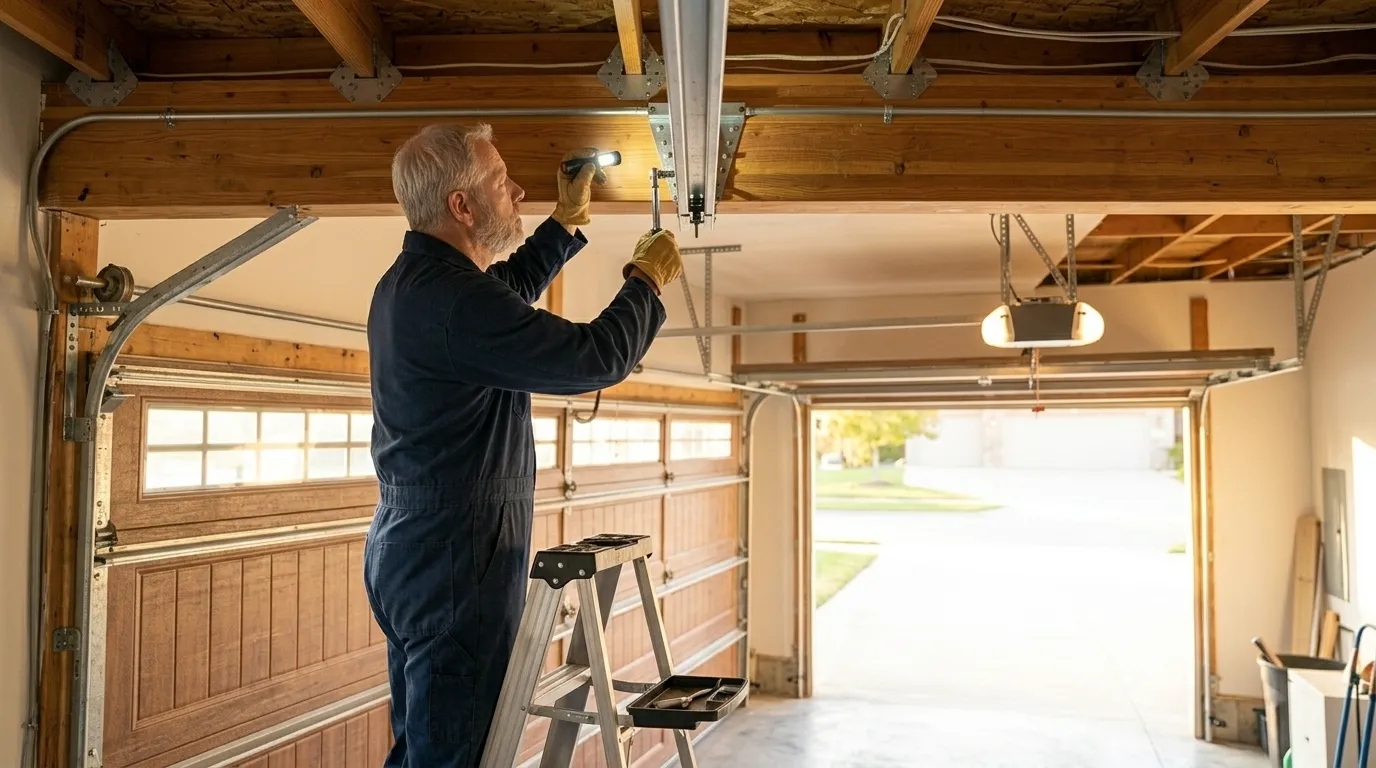
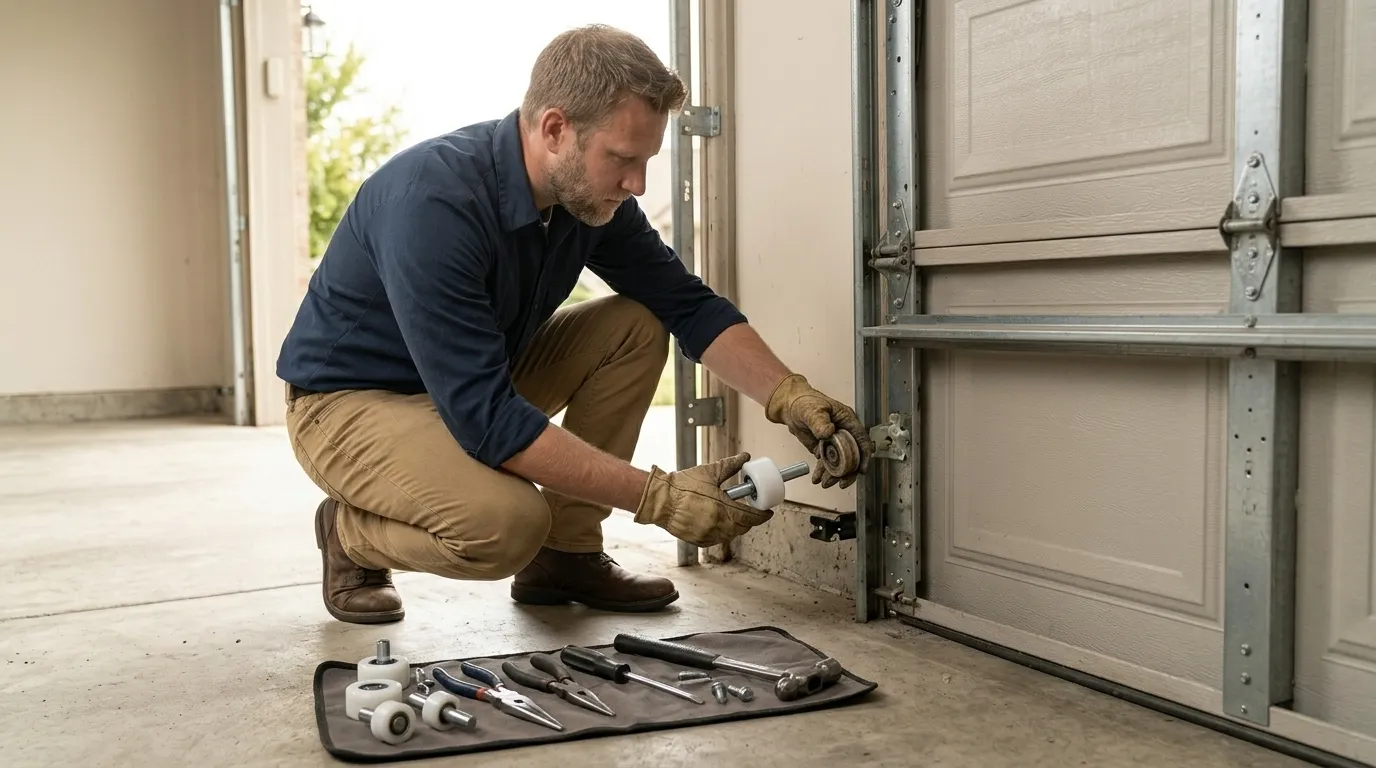
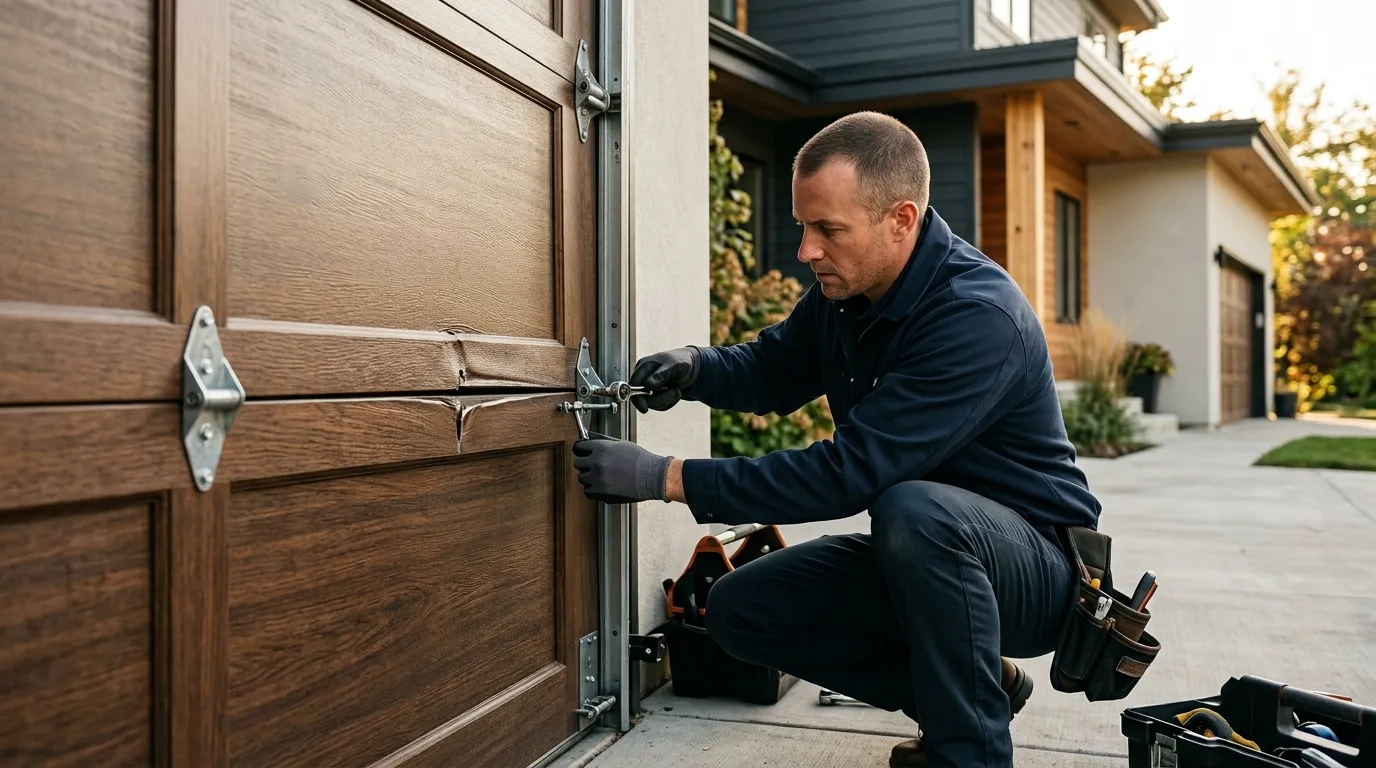
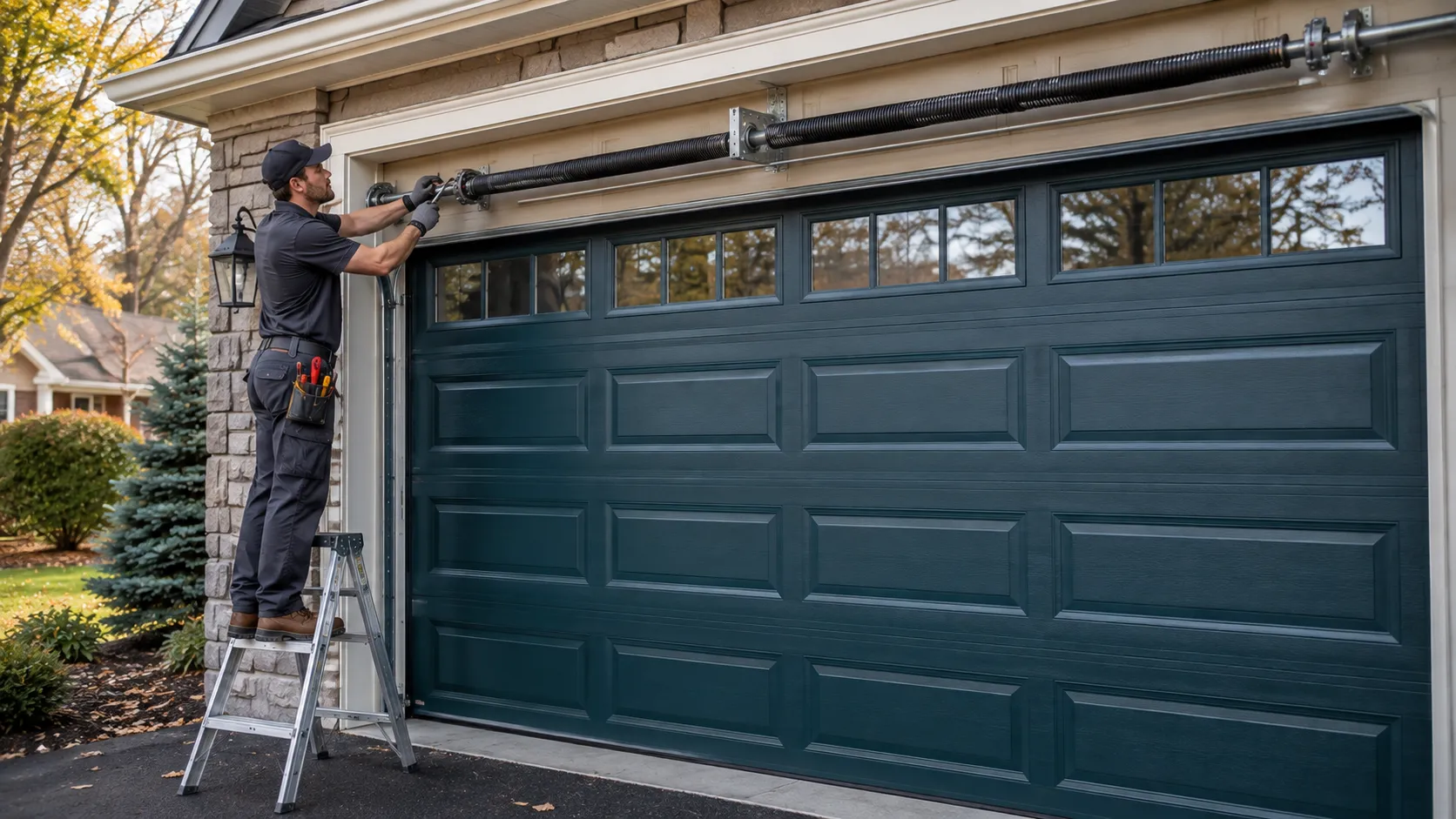
A door built into a 1990-era track system usually fails at predictable points: the extension spring cables fray at the pulley, the galvanized rollers pit and stick in cold weather, and the opener - often a second or third replacement by now - starts slipping gears under a door that's gotten heavier from sag. In a COLD severe climate band, that sag and stiffness gets worse every winter, because grease thickens and steel contracts right when the door is doing the most lifting against snow load on the panels. We see this pattern often enough on this side of the service area that it's rarely a surprise call - the surprise is usually just which cable let go first.