This Area's Housing
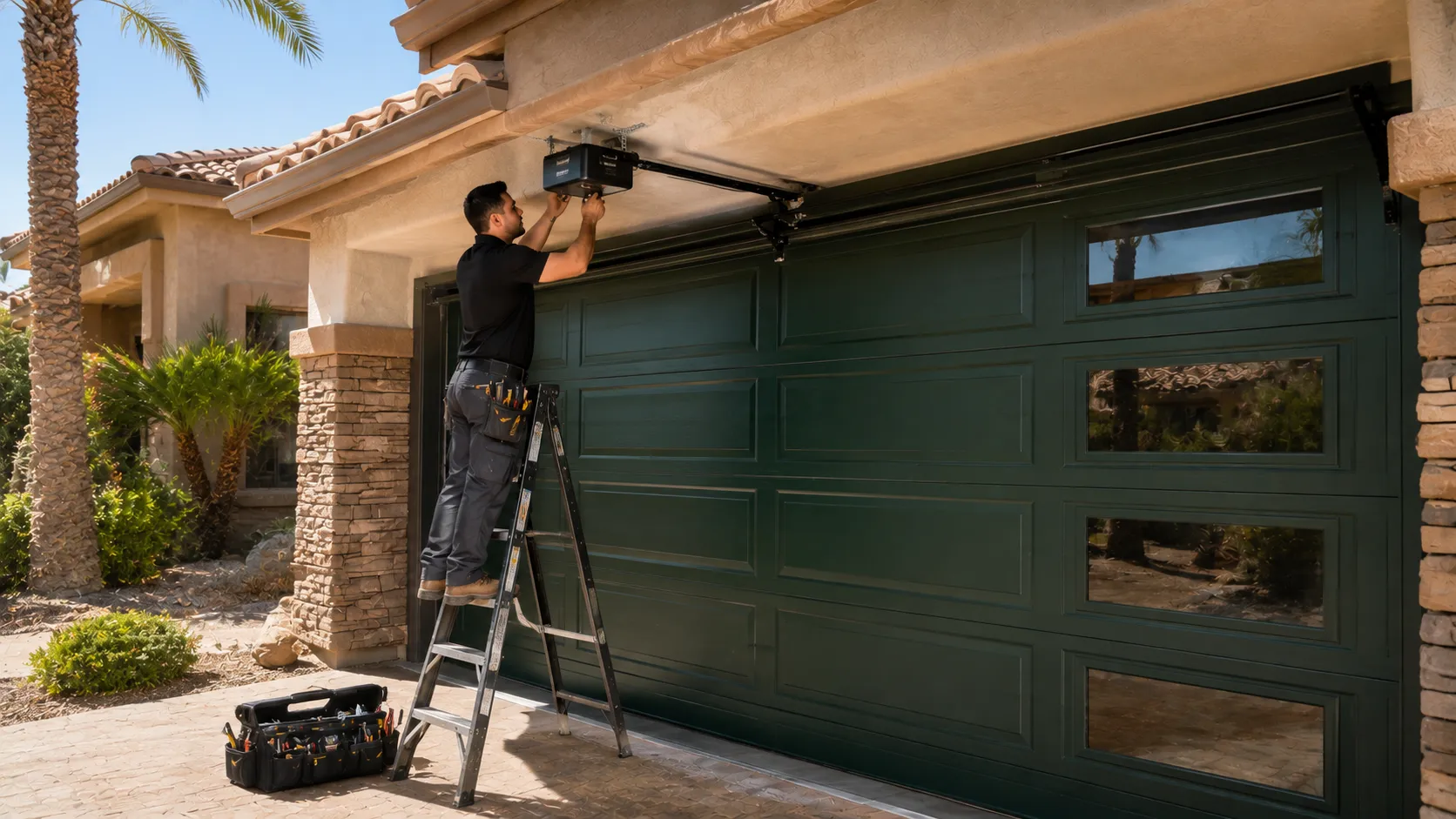
With about 2,810 households in Winthrop Harbor, this is a smaller, tighter cluster than the sprawling newer subdivisions found elsewhere in the county's housing stock, which runs 1938 to 2009 with a lot of that later growth concentrated in the 1980s and 90s. Median household income here runs $94,221, below the broader service-area median of $121,583. That income gap doesn't change how a spring breaks, but it does change what we recommend: we lean toward straightforward torsion or extension spring swaps and opener repairs before we suggest a full door replacement, unless the door frame or track is too far gone to justify another repair. Building age here also lines up with a narrower band of hardware sizes and mounting styles than you'd find in a newer subdivision, which actually helps - we're not guessing at what's behind the trim when we quote a job.
How That Shows Up in the Door
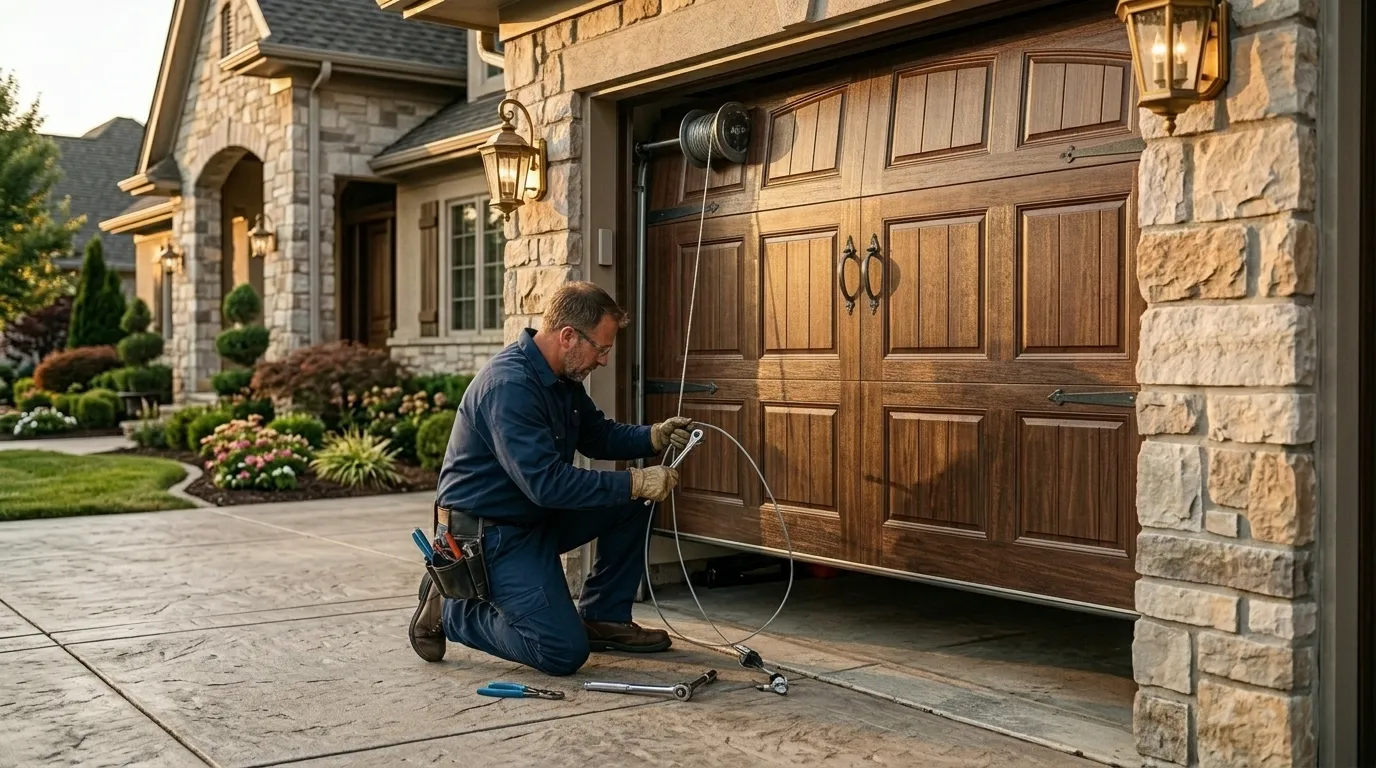
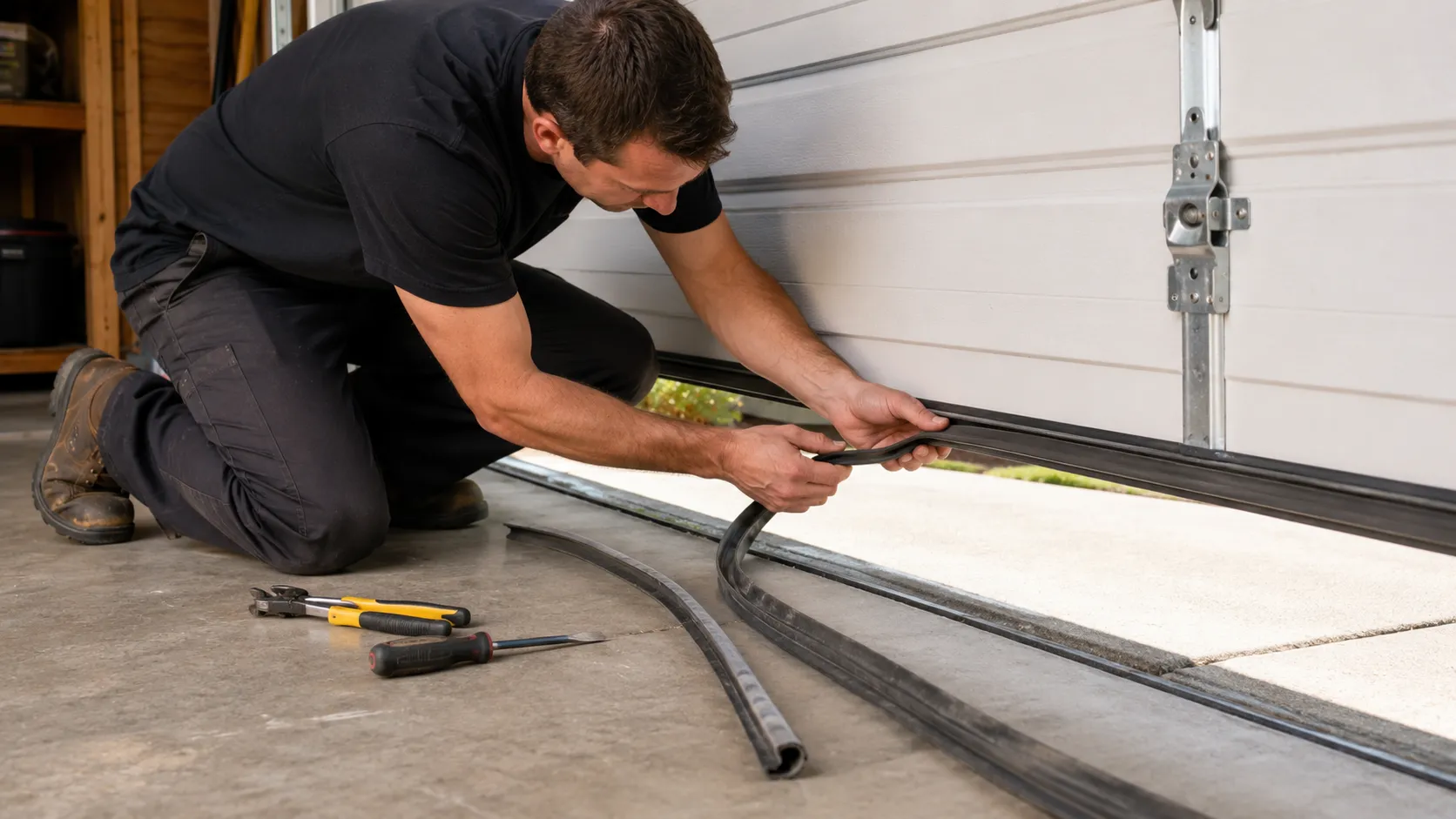
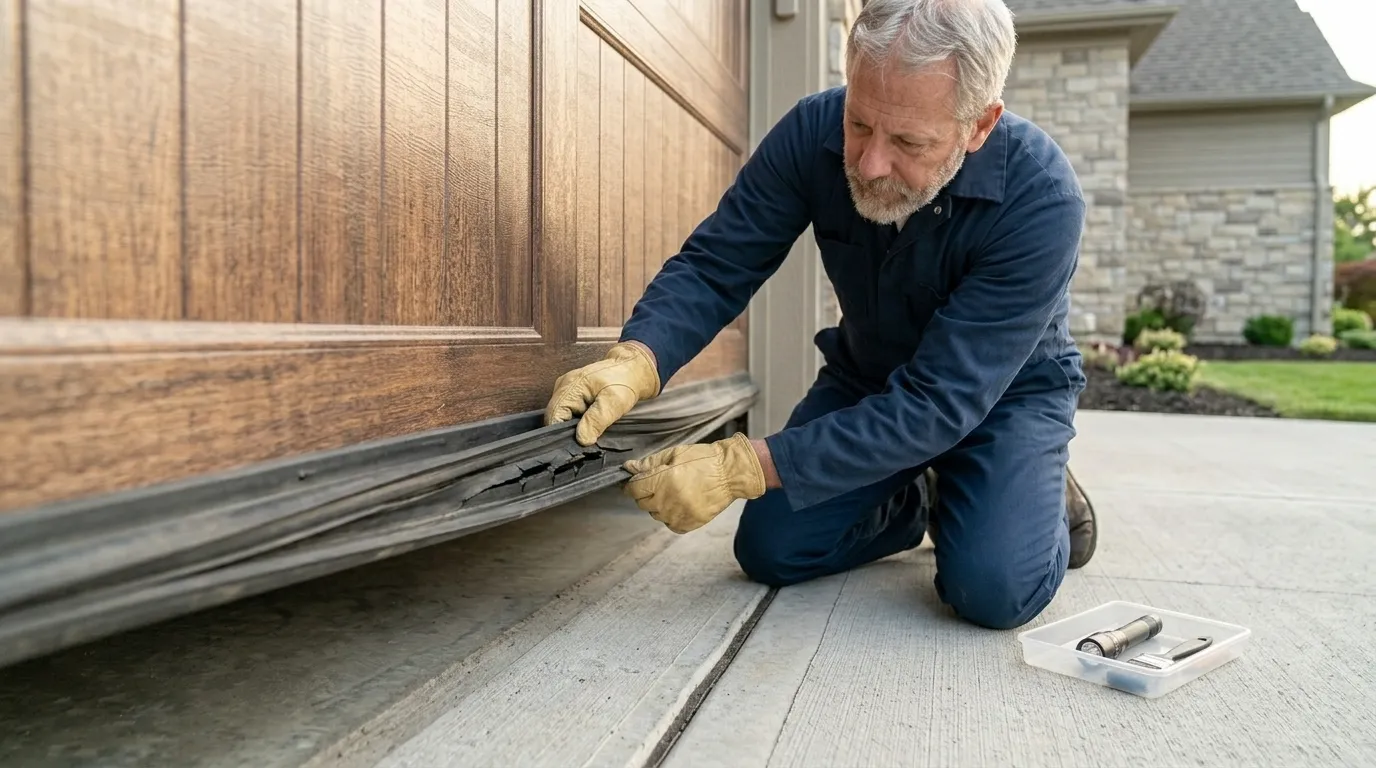
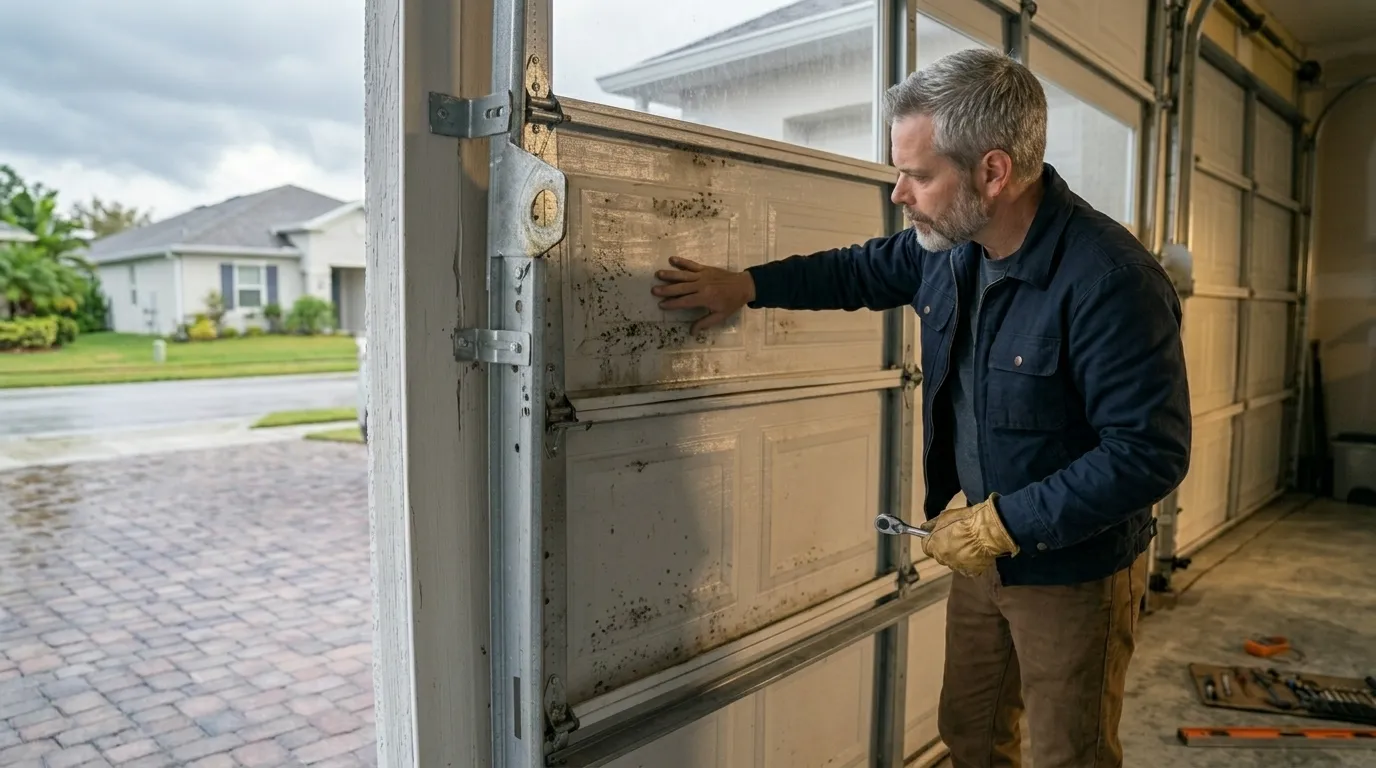
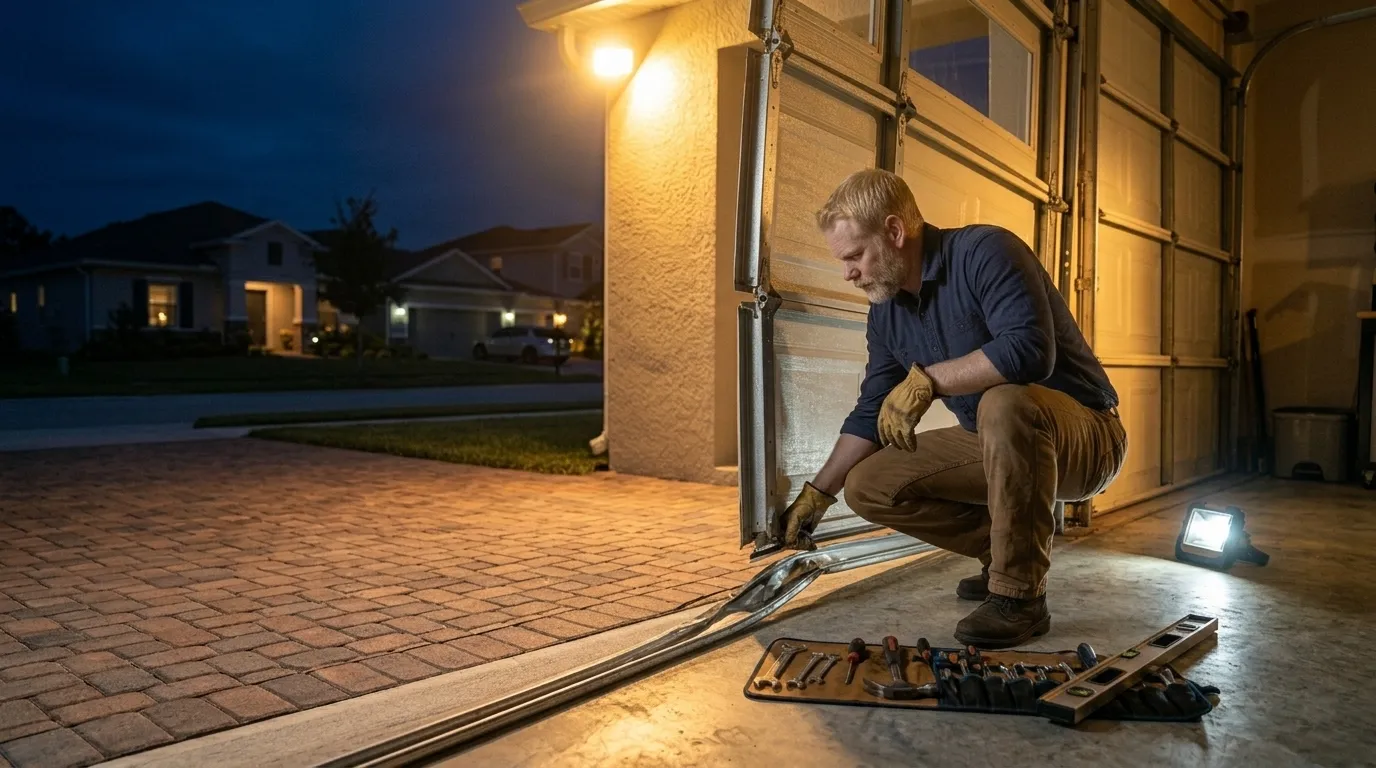
The service area sits in a cold, severe winter climate zone, and that hits older doors harder than newer ones. A 1978-era steel door usually has thinner weatherstripping channels and less insulation than anything built after the 90s retrofit wave, so the panel itself flexes more in a hard freeze. Cold makes steel contract, and a contracted panel puts more strain on an already-worn extension spring or a stretched cable - that's the combination we get called out for most in this pocket of town. Torsion springs handle cold cycling better than the older extension setups still common on Winthrop Harbor's original doors, which is one reason we bring it up when a spring job turns into a bigger conversation. We won't push a full torsion conversion on a door that's otherwise sound, but if the extension springs are original to a 1978 install, they've outlived their expected cycle count regardless of the weather.